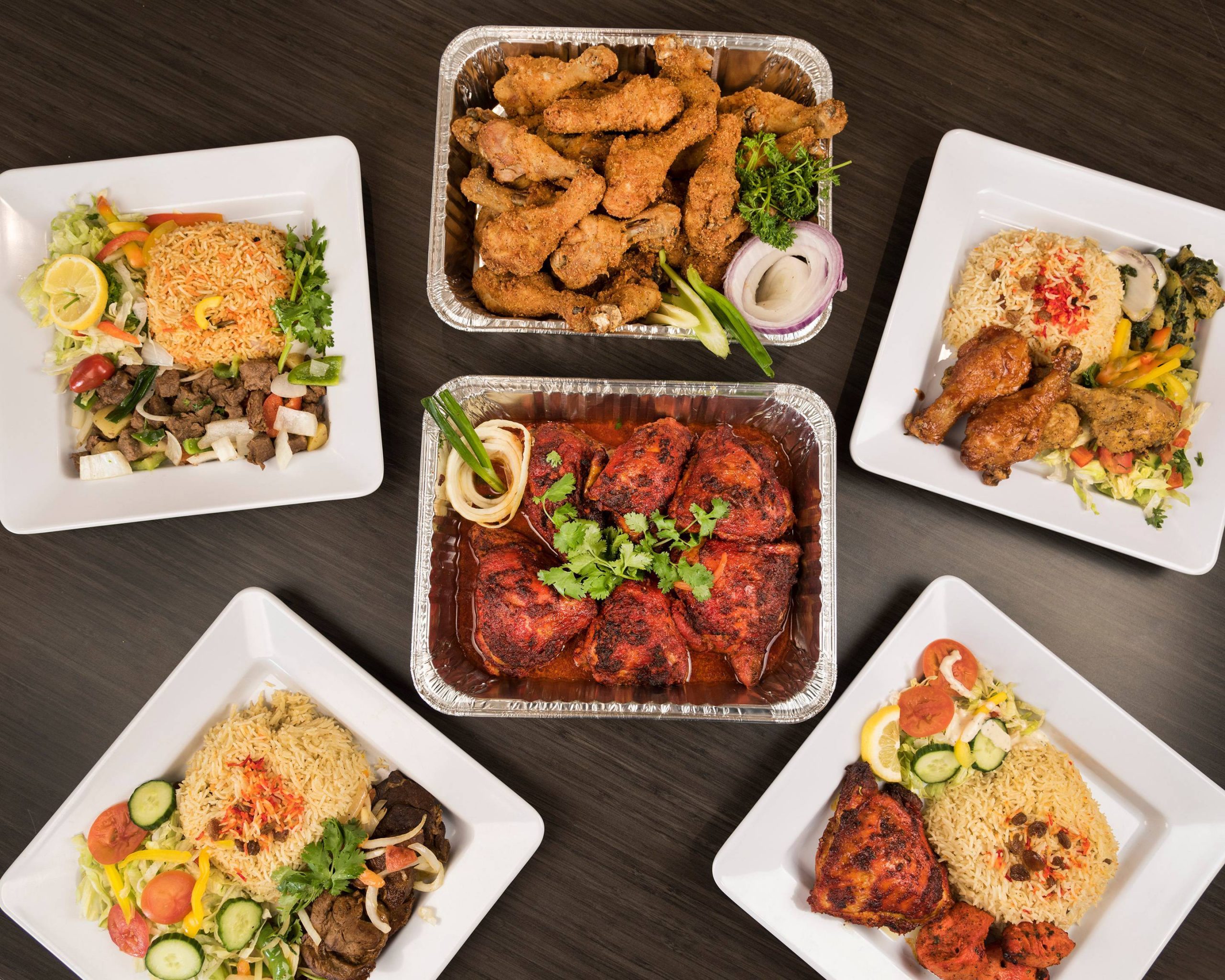
Toronto, Canada – On a busy evening in Etobicoke, the scent of cardamom, grilled meat and simmering rice drifts out onto the street as customers file into Somali-owned restaurants that have become fixtures of the neighbourhood. Inside, taxi drivers, construction workers, students and families gather over steaming plates of bariis and suqaar, sharing meals that are as much about community as they are about sustenance.
Across Toronto, a growing number of Somali restaurateurs are redefining what economic success looks like for a diaspora once largely associated with low-wage work. In plazas and street corners from Rexdale to Scarborough, Somali-owned eateries are thriving—serving traditional dishes, employing local residents and anchoring communities that continue to expand.
For many, the journey to business ownership has been gradual. Early Somali immigrants to Canada, many arriving as refugees in the 1990s and 2000s, often took on whatever work they could find—factory jobs, cleaning services, driving taxis. But over time, as families stabilized and pooled resources, entrepreneurship emerged as a viable path forward.
Restaurants became a natural entry point.
“Food is something we understand, something we carry with us,” said one restaurant owner in Etobicoke, who asked not to be named. “You don’t need a big degree to start, but you need discipline and community support.”
That support is visible in the steady flow of customers. Somali restaurants, while rooted in tradition, attract a wide cross-section of Toronto’s population. Their appeal lies not only in cultural familiarity for Somali patrons, but also in affordability, portion size and halal preparation—factors that draw in other immigrant groups and working-class customers.
Menus are rich and varied. Bariis—spiced rice often served with tender goat or chicken—is a staple. Suqaar, a diced meat sautéed with vegetables, is a favourite for quick meals. Canjeero, a soft fermented flatbread, accompanies breakfast dishes, while samosas and fresh fruit juices round out the offering. Many restaurants also serve pasta, reflecting historical ties between Somalia and Italy.
In places like Istar, a long-standing 24-hour establishment in Etobicoke, the restaurant doubles as a community hub. Customers come not just to eat, but to meet, rest and reconnect. It is common to see groups gathered late into the night, discussing everything from business opportunities to events back home.
These spaces play a crucial role for immigrant workers, many of whom rely on Somali restaurants for consistent, nutritious meals at reasonable prices. For newcomers navigating long shifts and economic uncertainty, such establishments provide both physical nourishment and a sense of belonging.
Yet the significance of these businesses extends beyond the dining table. Somali-owned restaurants are increasingly seen as symbols of economic mobility and self-determination. Owners hire staff, mentor younger entrepreneurs and reinvest in their communities, contributing to a cycle of growth that is gradually reshaping perceptions.
Toronto is not alone in this transformation.
In Minneapolis, home to one of the largest Somali populations in North America, Somali-owned malls and restaurants have turned entire districts into bustling commercial centres. In London, Somali cafés and eateries line streets in the East End, forming networks of businesses that support one another and serve a diverse clientele.
Across these cities, a common narrative is emerging: Somali communities are moving beyond the constraints of early settlement and into positions of ownership and influence.
Back in Toronto, that shift is evident in the confidence of a new generation. Younger Somali Canadians are entering the food industry with fresh ideas—modern interiors, expanded menus and social media marketing—while still preserving the flavours and traditions that define their heritage.
For customers, the experience remains grounded in familiarity: generous portions, warm hospitality and food that feels like home. But behind the scenes, the industry tells a broader story—one of resilience, adaptation and quiet success.
As the dinner rush peaks and tables fill, the significance of these restaurants becomes clear. They are more than businesses. They are markers of a community that has found its footing, building prosperity not in isolation, but in the shared spaces where culture, commerce and connection meet.