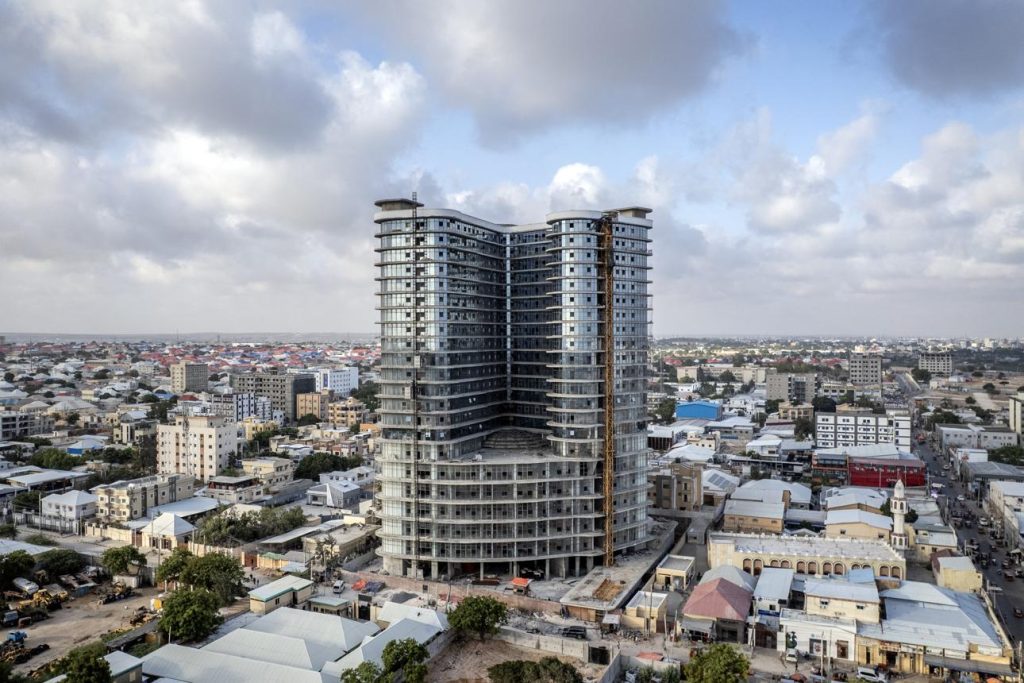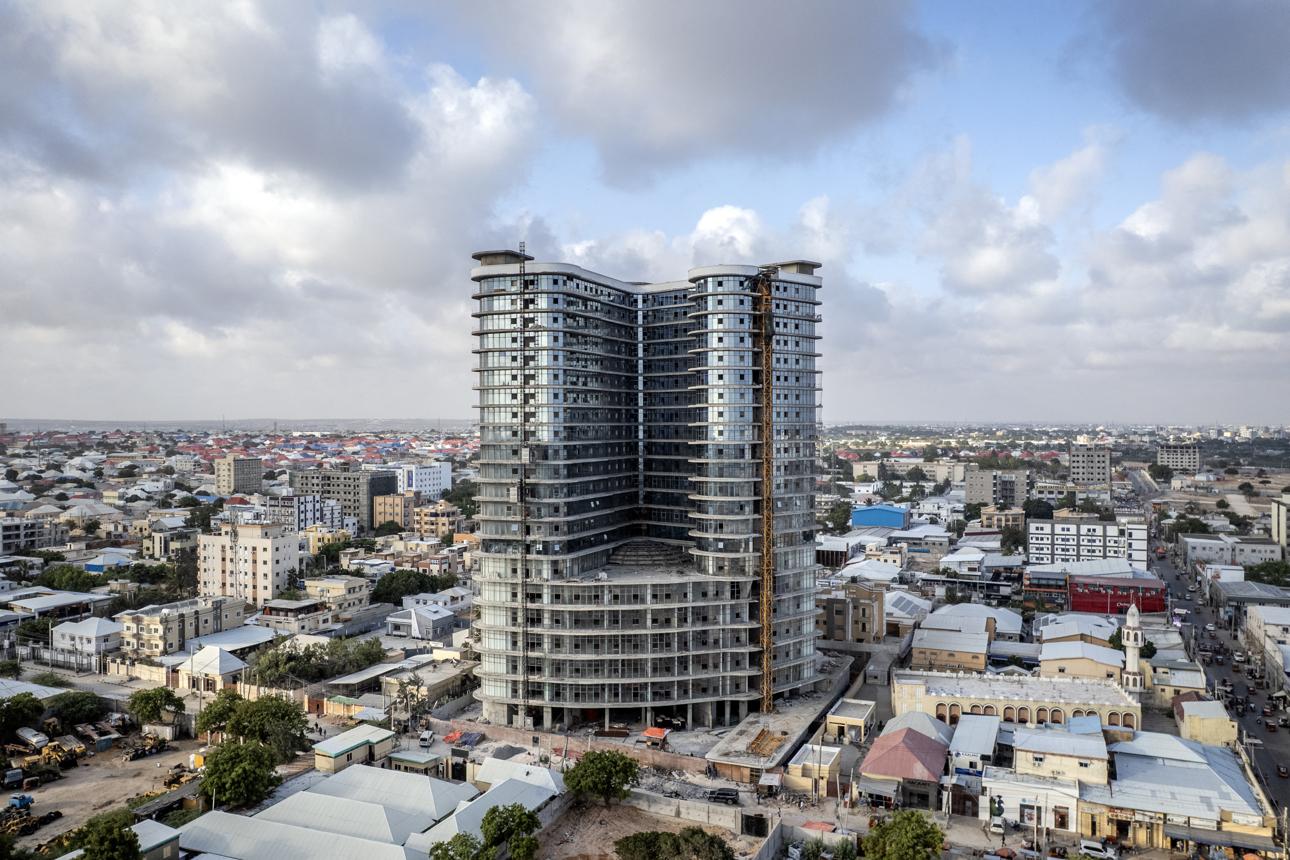
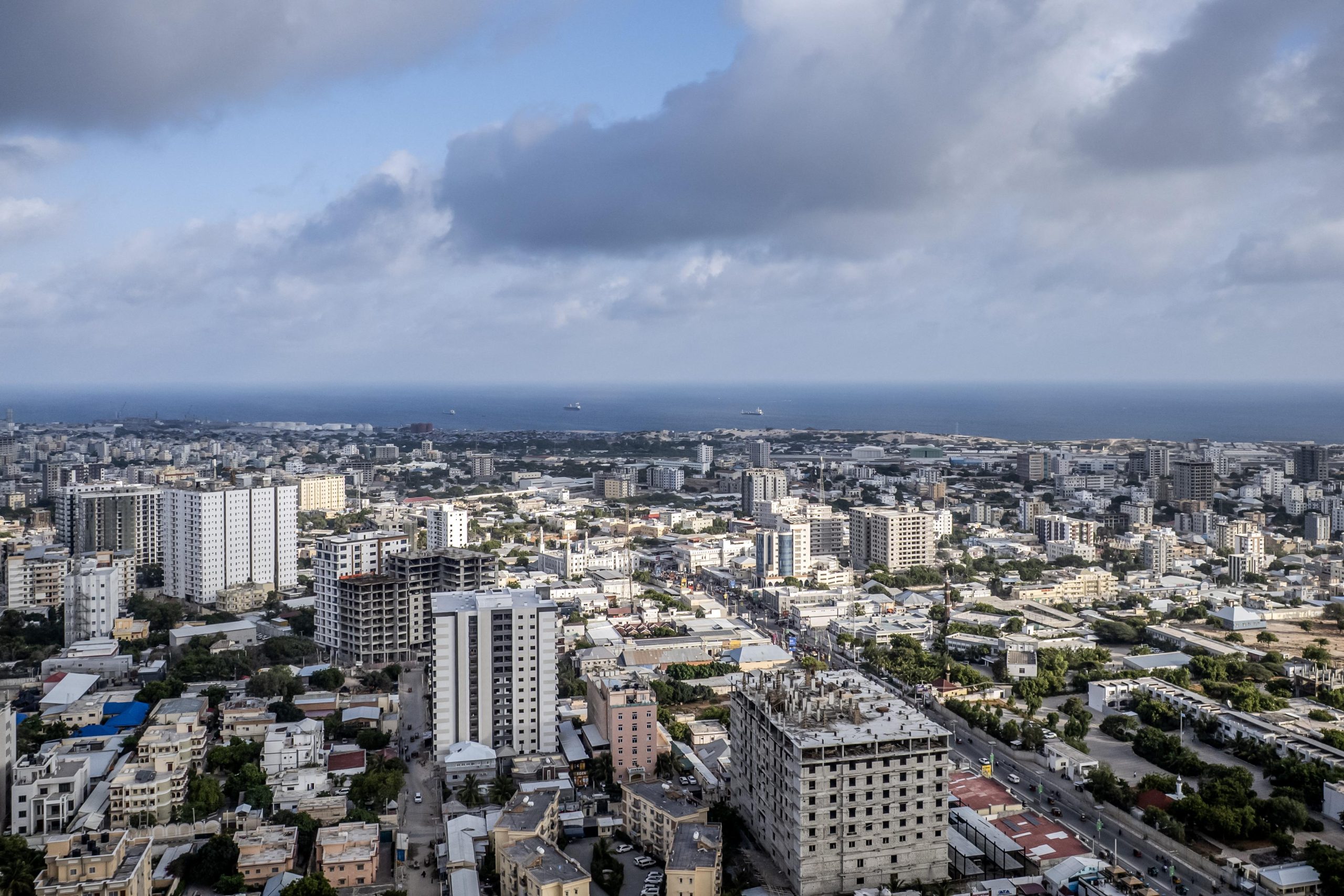
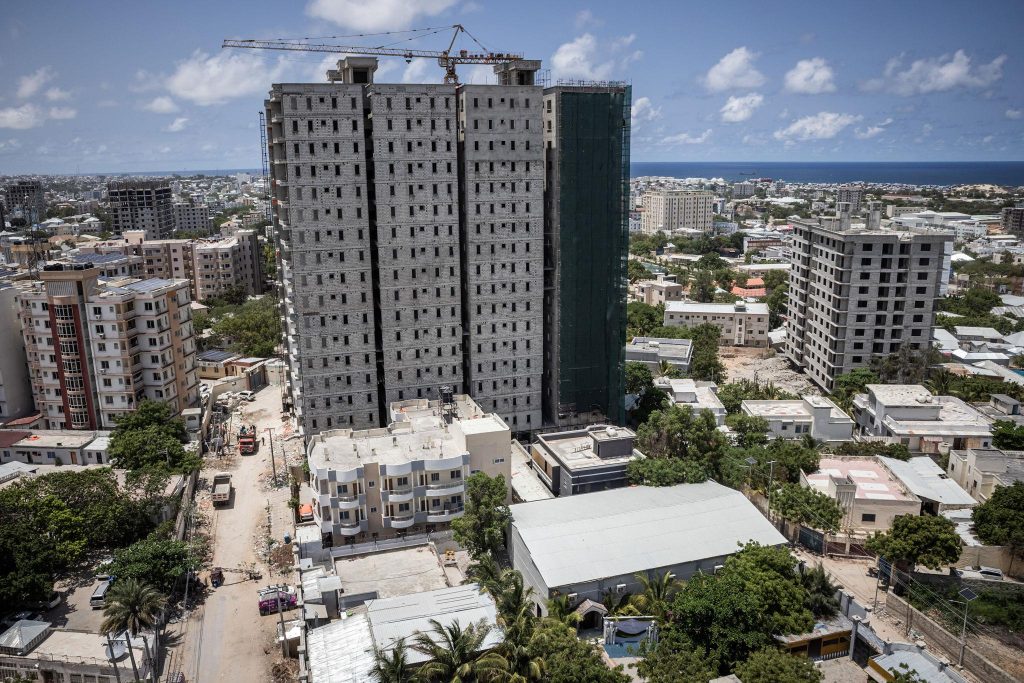
MOGADISHU, Somalia — A new skyline is gradually taking shape in Mogadishu. Modern apartment towers, commercial buildings and expanding construction projects are changing the city’s appearance, offering a visible sign of Somalia’s ongoing reconstruction and growing ambitions.
For a country that has experienced decades of conflict and instability, the development of modern buildings represents more than a change in architecture. It reflects renewed investment, private-sector confidence and opportunities for a new generation of Somali entrepreneurs.
Across the capital, construction is becoming an increasingly important part of the urban landscape. Residential apartments, office spaces, shopping centres and commercial properties are creating new possibilities for businesses and residents seeking modern facilities.
A Growing Property Market
The development of modern apartments is changing the way people think about housing in Mogadishu. More residential projects are incorporating facilities such as elevators, parking areas, security systems and contemporary interior designs.
Demand for modern housing is also attracting attention from Somalis living abroad, many of whom are looking for opportunities to invest in their home country.
For investors, the property sector offers opportunities beyond purchasing and selling buildings. Property management, rental services, interior design, construction materials and hospitality are among the businesses that could benefit from continued urban development.
New Opportunities for Businesses and Employment
The construction boom has the potential to support a wider network of economic activities.
From architects and engineers to construction workers, suppliers, electricians and property managers, the growth of the building sector creates demand for different skills and services.
Small and medium-sized businesses can also benefit. Furniture companies, building-material suppliers, cleaning services, security companies and maintenance providers all have opportunities to become part of the expanding property market.
As more commercial spaces become available, they may also provide opportunities for new restaurants, offices, retail businesses and service providers.
The Role of the Somali Diaspora
Somalia’s diaspora continues to play an important role in the country’s economic development. Investment in residential and commercial properties is one way Somalis abroad can contribute to rebuilding their communities while exploring long-term business opportunities.
Beyond financial investment, returning professionals and entrepreneurs can bring international experience, technical knowledge and new business ideas.
This connection between local entrepreneurs and the diaspora could become an important driver of future development.
Growth Comes With Responsibilities
Despite the visible progress, Somalia’s urban transformation also faces challenges. Infrastructure, reliable electricity, water supply, affordable housing, construction standards and proper urban planning remain important priorities.
For development to be sustainable, investment must go hand in hand with responsible construction, transparent business practices and infrastructure that supports growing communities.
Looking Towards the Future
Mogadishu’s changing skyline offers a glimpse of what a developing Somalia could become. Every new residential tower, commercial building and construction project represents an opportunity to create jobs, attract investment and expand the country’s private sector.
The transformation is still ongoing, and significant challenges remain. However, the growing interest in real estate and urban development reflects a wider ambition: to build a modern, economically active Somalia.
The story of Mogadishu is no longer only about rebuilding what was lost. It is increasingly about creating what comes next.