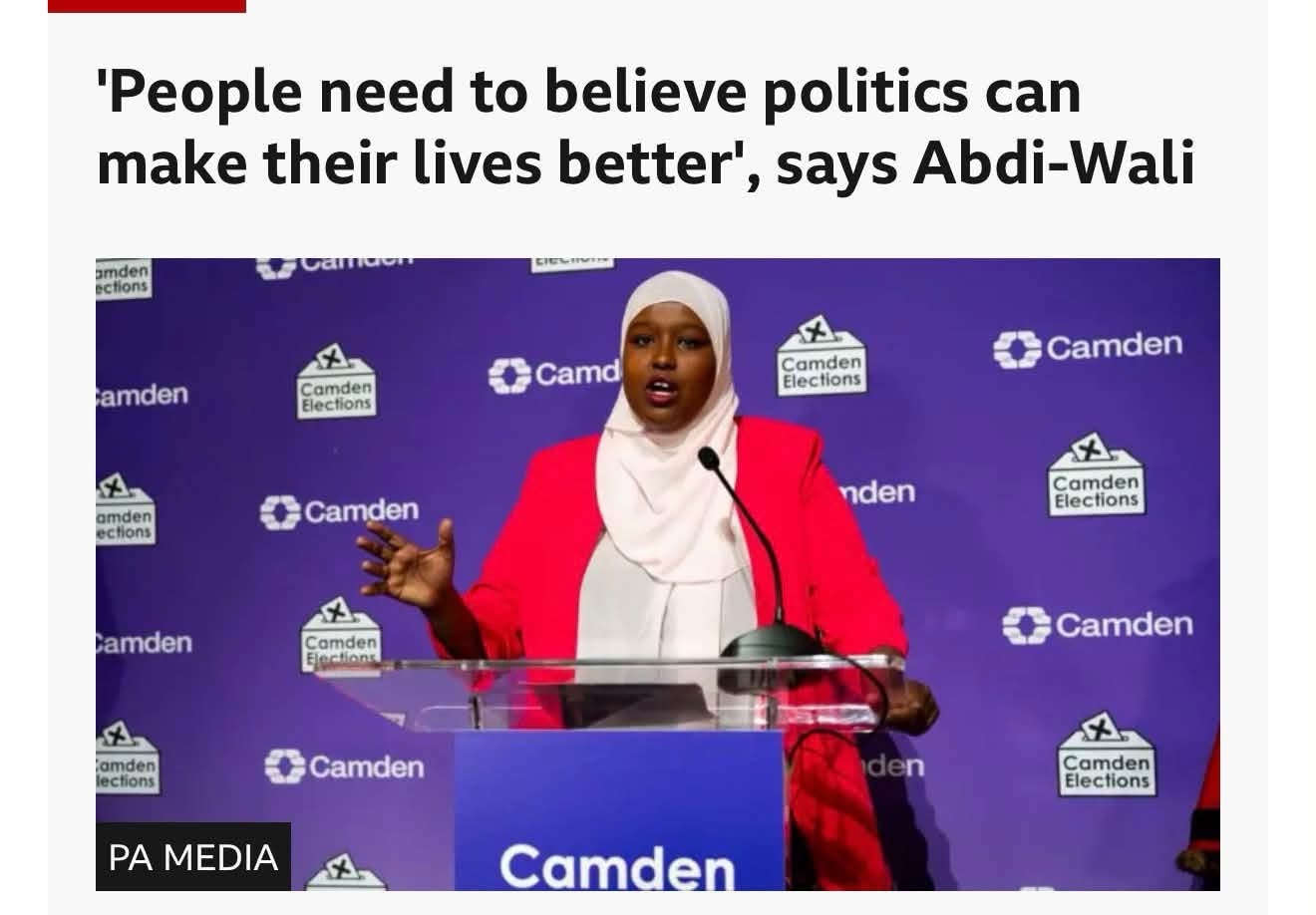
The election of Sagal Abdi-Wali to the UK Parliament marks a milestone for the British Somali community, highlighting questions of political representation, belonging and the changing face of British politics.
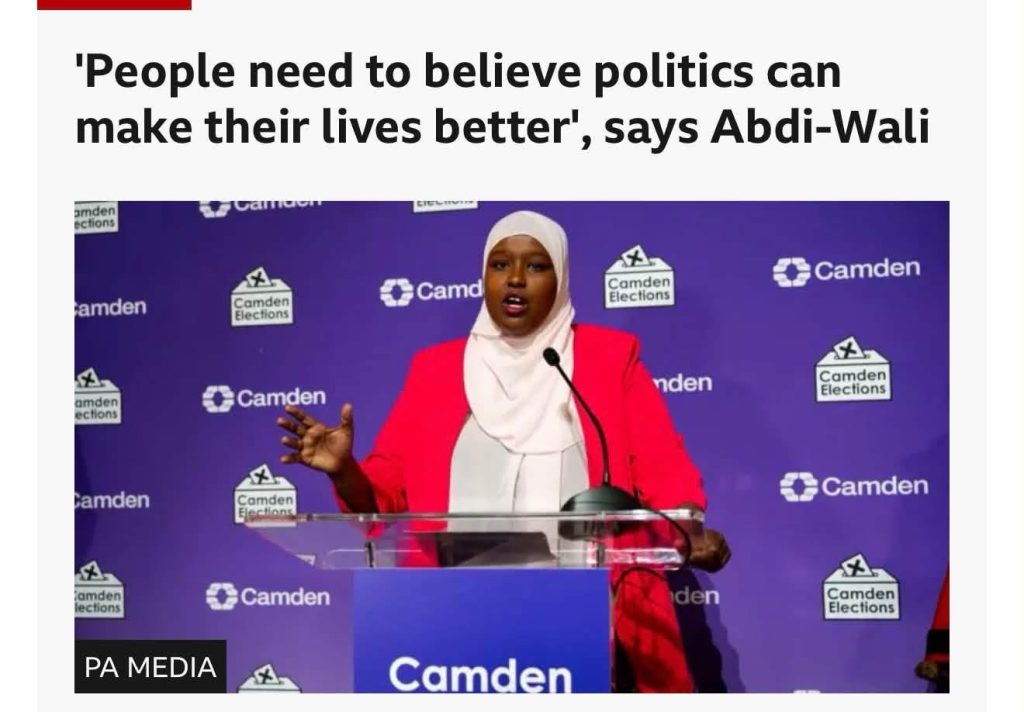
Sagal Abdi-Wali has won the parliamentary seat of Holborn and St Pancras in London, securing a significant victory for the Labour Party and marking what has been described as a historic moment for the British Somali community.
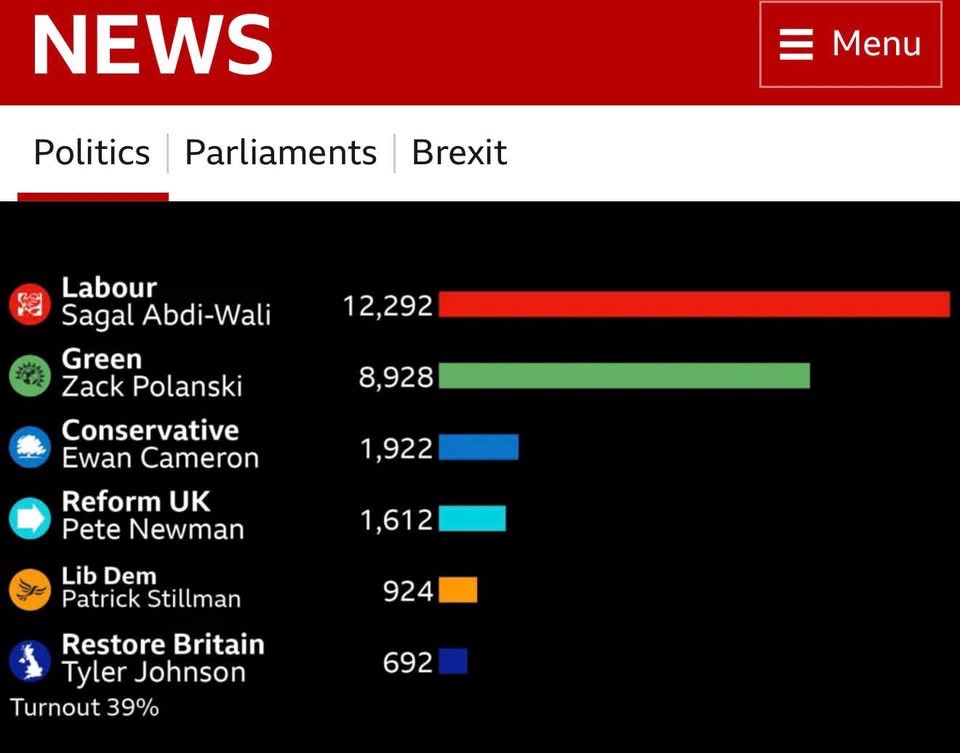
According to the results provided, Abdi-Wali received 12,292 votes, representing 45 percent of the votes cast. Zack Polanski, identified in the supplied account as the Green Party leader and her closest rival, finished second with 8,928 votes. The Conservative candidate came third, followed by candidates from Reform UK and the Liberal Democrats.
Beyond the electoral result, Abdi-Wali’s victory carries wider significance: she is reported to be the first person from the British Somali community to enter the UK Parliament.
Her election raises an important question about the changing nature of political representation in Britain: what does it mean when communities that have historically had limited visibility in national politics begin to gain a stronger presence in Parliament?
A Victory Rooted in Local Belonging
In her victory speech, Abdi-Wali emphasised her personal connection to the constituency, describing it as the place that had become home to her and her family.
“This victory means something special to me. I will represent the constituency that became home to me and my family, gave us opportunities and played a major role in shaping who I am today,” she said.
Her remarks placed local belonging at the centre of her political message. Rather than presenting her election solely as a breakthrough for one community, she highlighted the relationship between representation, opportunity and the place where people build their lives.
That message resonates with a broader reality in contemporary Britain. Communities shaped by migration have become part of the country’s social and economic fabric, contributing to local economies, public services and civic life. Their representation in national institutions, however, remains an important subject of public debate.
For British Somalis, Abdi-Wali’s reported election offers a visible example of participation at the highest level of parliamentary politics.
Why Somali Representation Matters
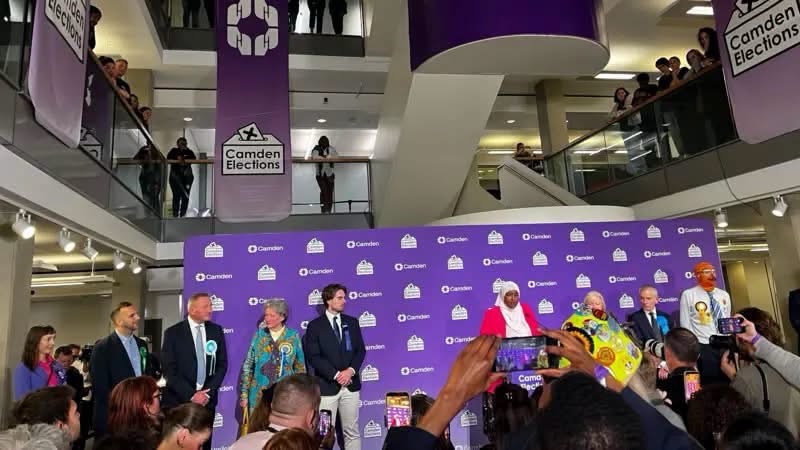
The significance of Abdi-Wali’s victory extends beyond her personal achievement.
For a community with roots in Somalia and a substantial presence across parts of the United Kingdom, representation in Parliament can provide greater visibility for its experiences, concerns and aspirations.
Yet representation alone does not guarantee political influence or policy change. An MP’s impact depends on the issues they pursue, their engagement with constituents, their influence within Parliament and their ability to hold the government to account.
The historic nature of the election therefore lies not only in who has entered Parliament, but also in the opportunities and expectations that may follow.
For younger British Somalis, the result could challenge perceptions about who can participate in national politics and occupy positions of public leadership.
Abdi-Wali herself made that point directly, saying she wanted her victory to demonstrate that people, particularly young people, did not have to lose hope in order to succeed.
Her message framed political participation as a route through which people can seek change rather than withdraw from public life.
Labour Retains a Key London Constituency
The result also has a direct party-political dimension.
By retaining Holborn and St Pancras, Labour has held a constituency associated with former prime minister Keir Starmer. Abdi-Wali’s victory therefore represents both a personal electoral achievement and a continuation of Labour’s representation in the seat.
The reported margin over the second-placed candidate suggests that the result was not particularly close in numerical terms. However, understanding the reasons behind the outcome would require a closer examination of turnout, local concerns, candidate profiles and voting patterns.
The presence of candidates from several parties also illustrates the range of political choices available to voters in the constituency.
While the result secures Labour’s hold on the seat, Abdi-Wali will ultimately be judged on her parliamentary work and her responsiveness to the people she represents.
A Symbol of Possibility, but Not the End of the Journey
Abdi-Wali also expressed her pride at becoming the first woman to represent Holborn and St Pancras in the UK Parliament, according to the supplied account. Supporters reportedly responded to her remarks with applause and celebration at the vote-counting venue.
Her election brings together several dimensions of representation: gender, community background and local identity. Each has a distinct significance, but together they underline how parliamentary representation can reflect a society’s changing composition.
Nevertheless, a historic first should not be mistaken for the completion of a broader process. Meaningful representation involves more than reaching Parliament. It also requires sustained engagement with constituents, scrutiny of government decisions and attention to the everyday issues affecting people’s lives.
For British Somali communities, the longer-term question will be whether this milestone helps widen participation in political parties, local councils and other public institutions.
For Abdi-Wali, the immediate challenge is to translate the symbolism of her election into effective representation.
Can Political Representation Deliver Meaningful Change?
At the end of her victory speech, Abdi-Wali urged people to believe that politics could improve their lives.
It was a message that placed public trust at the heart of her election. In a period when questions about political accountability and confidence in institutions remain prominent in British public debate, the ability of elected representatives to demonstrate tangible results is central to that relationship.
Her victory may inspire young British Somalis to see national politics as a space in which they can participate and contribute. Whether that inspiration develops into broader political engagement will depend on what follows the election.
For now, the reported result marks a significant moment for Somali representation in Britain. It brings a new voice into Parliament and creates an opportunity to connect the experiences of a diverse constituency with the national political debate.
The larger test is whether this historic milestone can help build a political system in which representation is not an exception, but an increasingly ordinary feature of British public life.
The question now is whether Sagal Abdi-Wali’s entry into Parliament will become a turning point for British Somali political participation, and how effectively that representation will translate into change for the communities she serves.