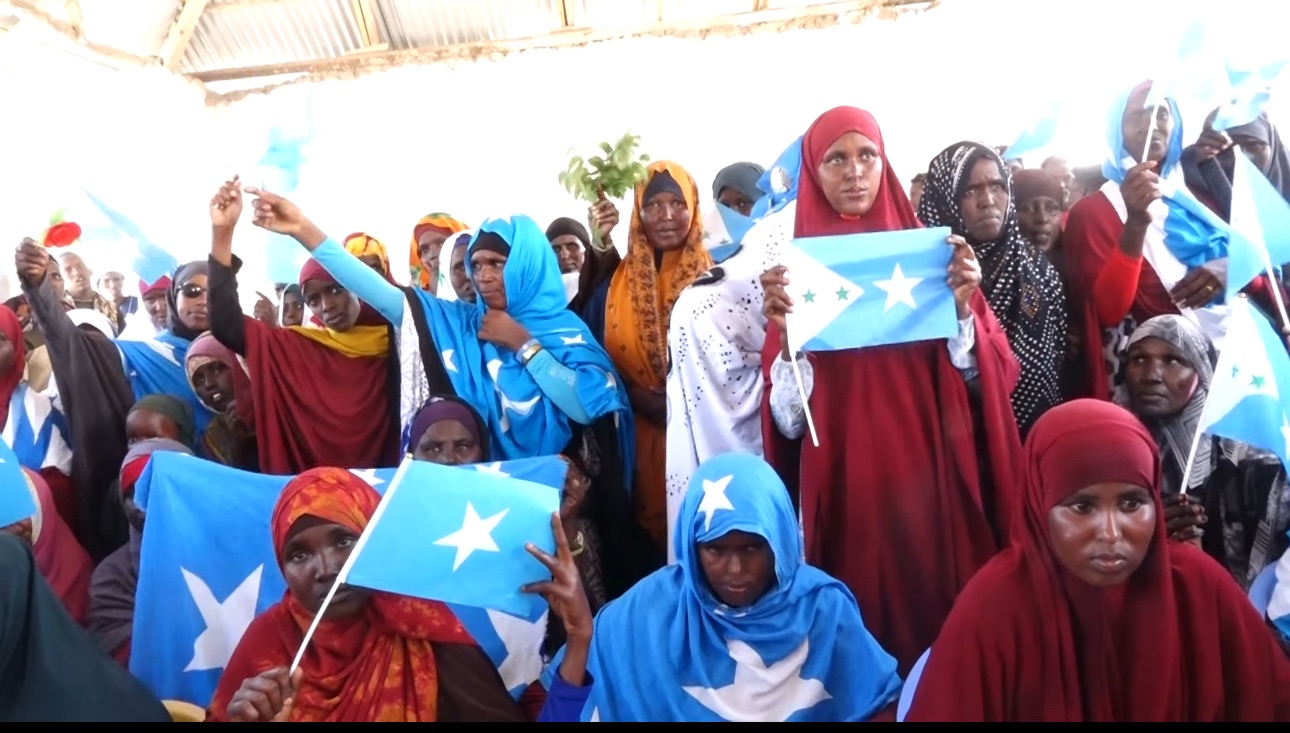
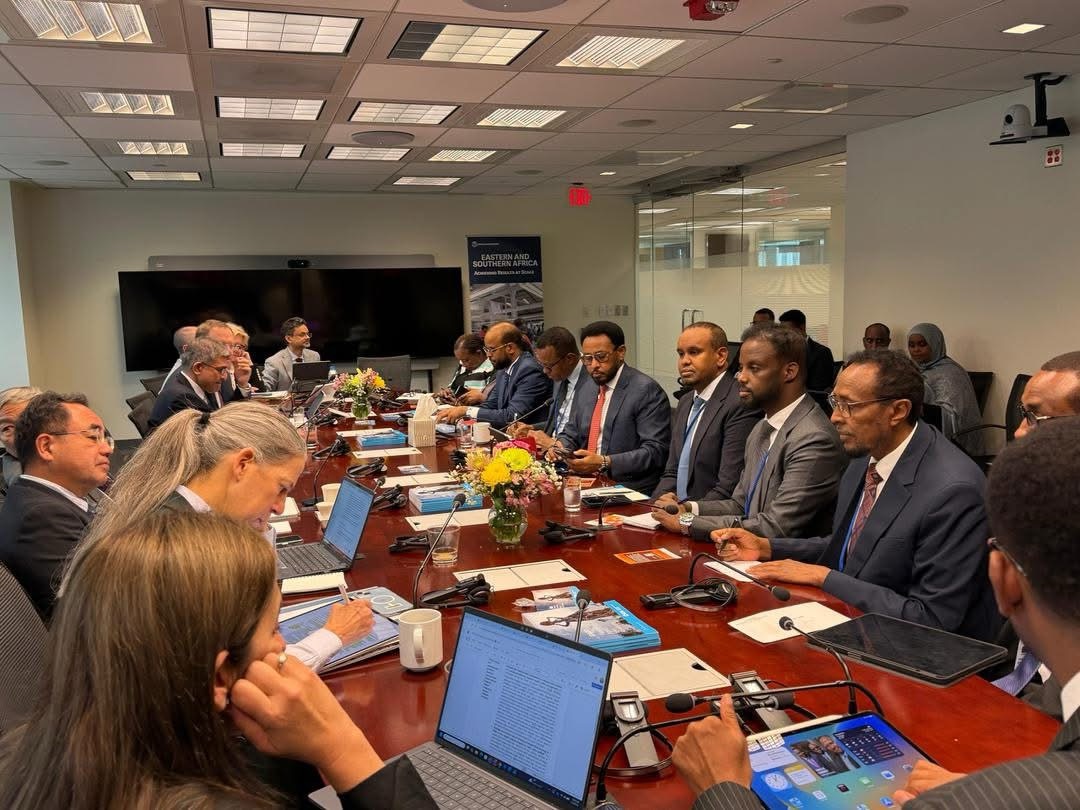
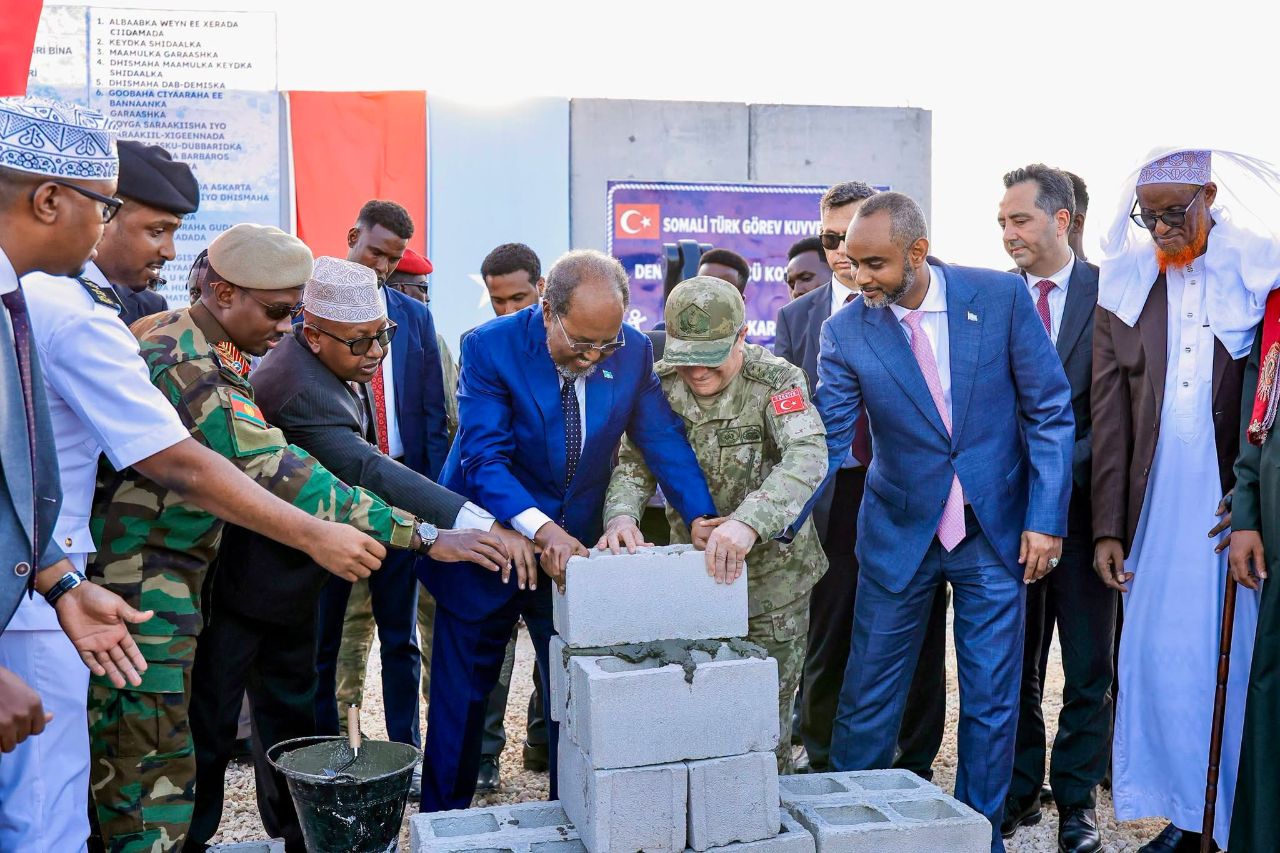
The planned introduction of the EAC e-passport, Somalia’s return to the UN Security Council presidency and improving public perceptions of safety point to a country seeking to redefine its place in the world.
By TheSomali.com Editorial Desk
For decades, Somalia was internationally associated with civil conflict, political instability, terrorism, humanitarian emergencies and the collapse of state institutions. Its name frequently appeared in international headlines for reasons that reflected the enormous challenges facing the country.
But a different story is gradually emerging.
Somalia is rebuilding its national institutions, strengthening its international relationships, developing modern identification systems and securing a more prominent position in regional and international affairs. Although serious challenges remain, the country’s recent progress offers a compelling indication that Somalia is moving beyond the era of isolation and institutional collapse.
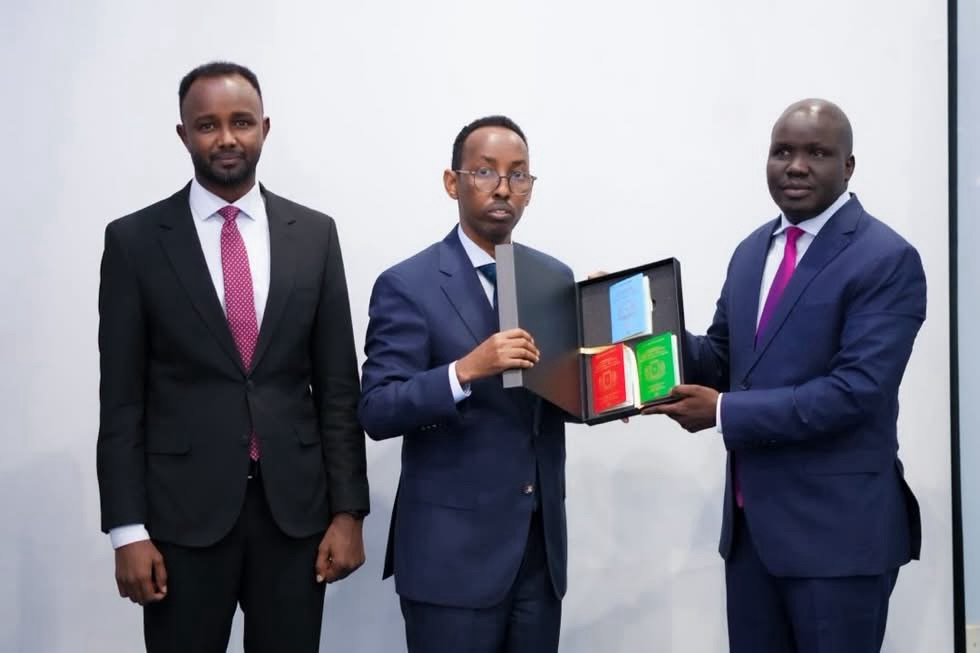
The latest development is its announcement that it will begin issuing the East African Community (EAC) electronic passport in January 2027.
The announcement, made at a meeting of EAC immigration chiefs in Kampala, Uganda, on November 26, represents more than the introduction of a new travel document. It reflects Somalia’s growing ability to participate in regional institutions and align its national systems with those of neighbouring countries.
A passport that represents a changing Somalia
The Federal Government of Somalia has confirmed that production of the EAC e-passport has been completed, with issuance scheduled to begin in January 2027.
The document will be connected to Somalia’s national identification system, creating a more integrated framework linking civil registration, national identification, international travel documents and border management.
Importantly, Somali diplomatic missions abroad are also expected to provide passport services, potentially making the document more accessible to millions of Somalis living outside the country.
For Somali citizens, the new passport could facilitate regional travel for employment, education, business, investment and family connections.
Somalia joined the East African Community in March 2024, becoming part of a regional bloc that includes Kenya, Uganda, Tanzania, Rwanda, Burundi, South Sudan and the Democratic Republic of Congo.
The passport rollout is therefore an important practical step in translating membership into opportunities for ordinary citizens.
It also carries symbolic significance. A country that spent decades struggling with the basic functions of government is now working to integrate its immigration, identification and border systems into a regional framework.
A country returning to the international stage
Perhaps one of the most significant indicators of Somalia’s changing international position was its presidency of the United Nations Security Council in January 2026.
Somalia’s presidency was an important diplomatic milestone, particularly given its history of state collapse and prolonged international intervention.
The Security Council is the United Nations’ principal body responsible for international peace and security. Its presidency rotates monthly among the Council’s members.
Somalia’s position at the head of the Council demonstrated the country’s return to an international diplomatic platform where it could participate in discussions concerning global security, conflicts and international cooperation.
This was not simply a ceremonial achievement. It reflected Somalia’s election to a two-year non-permanent seat on the Security Council for 2025–2026 and its growing engagement with international diplomacy.
For a country that once depended heavily on international intervention to address its own security crisis, occupying the Council presidency represented a striking change in its international standing.
Somalia and the changing perception of public safety
Another development attracting attention is the latest Gallup Global Safety Report.
According to Gallup’s 2025 findings, 74 per cent of adults surveyed in Somalia said they felt safe walking alone at night in the area where they lived.
Gallup identified Somalia as the country with the highest reported sense of safety in sub-Saharan Africa, ahead of Tanzania, Mali, Comoros and several other countries.
This is a notable finding, particularly given the international image of Somalia that has persisted for decades.
The significance of the result should not be misunderstood. It measures people’s perceptions of personal safety in their communities; it does not establish that Somalia has become free of terrorism, crime or insecurity.
Nevertheless, public confidence and people’s everyday experiences are important indicators of national recovery. The findings challenge the assumption that Somalia can only be understood through the lens of violence and instability.
They also underline the importance of recognising the experiences of people living inside the country, rather than relying exclusively on international perceptions.
Rebuilding the institutions of a modern state
Somalia’s recovery is also visible in the development of national institutions and public infrastructure.
One particularly important achievement is the establishment of a national digital identification system.
For many years, Somalia lacked a unified national identification infrastructure. The introduction of the national ID system has created a foundation for more reliable identification, public administration, financial inclusion and access to government services.
The National Identification and Registration Authority has reported substantial progress in registering citizens, with more than 1.4 million people registered by March 2026.
The connection between this system and the new EAC passport is particularly important. It demonstrates how national identification infrastructure can support international mobility, secure border management and the delivery of public services.
Other developments include improvements in public financial management, strengthened revenue collection, financial sector regulation and the implementation of national development priorities.
These reforms may receive less international attention than political controversies or security incidents, but they are fundamental to building a functioning state.
From debt crisis to renewed economic opportunity
Somalia’s economic recovery has also reached an important milestone.
In December 2023, Somalia reached the Completion Point under the International Monetary Fund and World Bank’s Heavily Indebted Poor Countries Initiative.
The achievement reduced the country’s external public debt from approximately $5.3 billion at the end of 2018 to around $600 million at the end of 2023.
The process unlocked approximately $4.5 billion in debt-service savings, helping restore Somalia’s financial relationship with international creditors and creating opportunities for renewed investment and development financing.
The World Bank has subsequently recognised progress in rebuilding Somalia’s fiscal institutions and strengthening economic governance.
However, the country’s economic recovery remains fragile. Growth, employment creation, poverty reduction and the ability to finance public services remain major challenges. Drought, declining international assistance and limited domestic revenues continue to place pressure on the economy.
Debt relief was not the end of Somalia’s economic problems. It was an opportunity to begin addressing them with a stronger financial foundation.
A new chapter, but not the end of the journey
Somalia’s progress should not be presented as a story of complete recovery. The country continues to face serious security threats, political disagreements, institutional weaknesses, unemployment and humanitarian pressures.
Al-Shabaab remains a significant security challenge, while relations between federal and regional authorities require continued dialogue and political compromise.
But recognising these difficulties should not mean overlooking the progress that has been achieved.
The transformation of a country requires more than the absence of conflict. It requires institutions that function, citizens who can be identified, public finances that can be managed, borders that can be administered, businesses that can operate and international relationships that create opportunities.
Somalia is making progress across these areas.
Its return to the UN Security Council presidency, its integration into the East African Community, the development of its national identification system, debt relief and improving public perceptions of safety collectively tell a story that deserves greater international attention.
The EAC e-passport is another chapter in that story.
For millions of Somalis at home and across the diaspora, January 2027 will represent more than the beginning of a new passport programme. It will symbolise a country seeking to reconnect its people with their region and the wider world.
After decades of isolation, Somalia is gradually finding its way back.