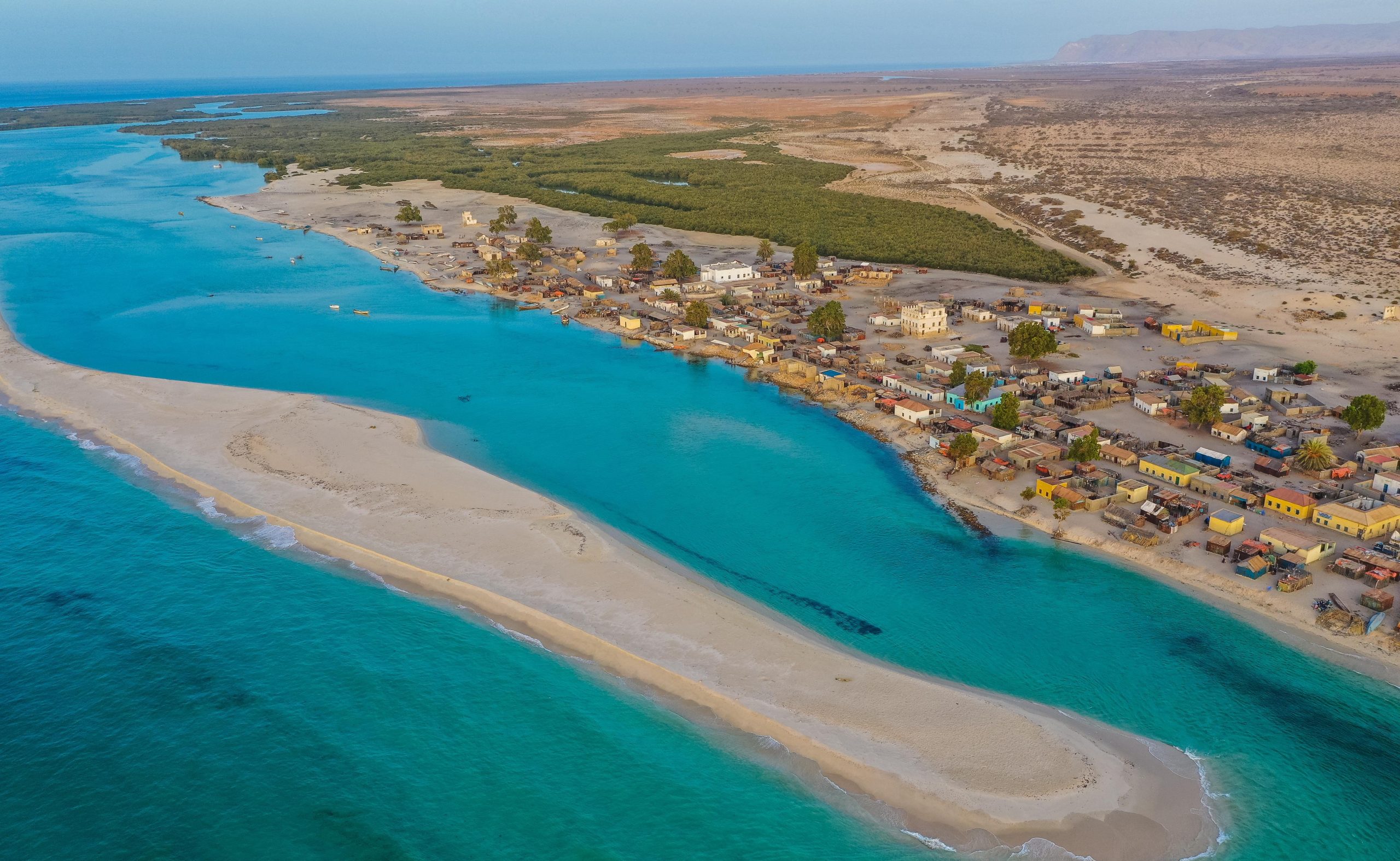
From international shipping routes to regional security and economic opportunities, Somalia’s coastline is gaining renewed importance in the changing geopolitics of the Horn of Africa.
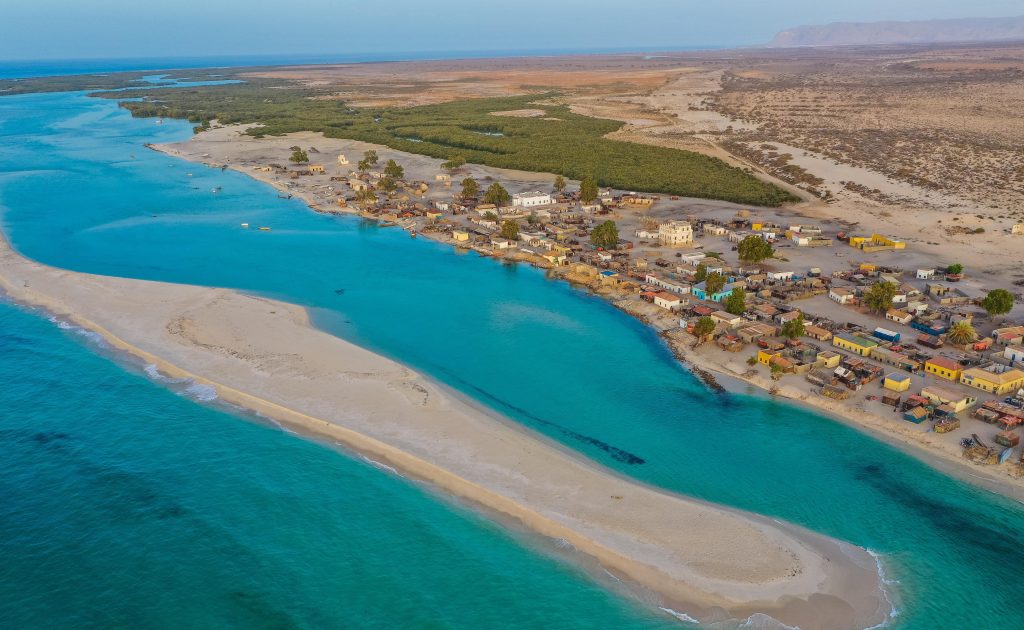
Somalia has something that many countries would consider a major strategic advantage: geography.
With more than 3,300 kilometres of coastline, the longest in mainland Africa, Somalia sits along two important maritime regions: the Gulf of Aden and the Indian Ocean. Its location places it close to one of the world’s busiest international shipping corridors, connecting Europe, Asia and Africa.
As tensions over maritime security and international trade continue to shape the region, Somalia’s geographical position is attracting renewed diplomatic and economic attention.
But why does this matter, and what could it mean for Somalia’s future?
The Gateway to Global Trade
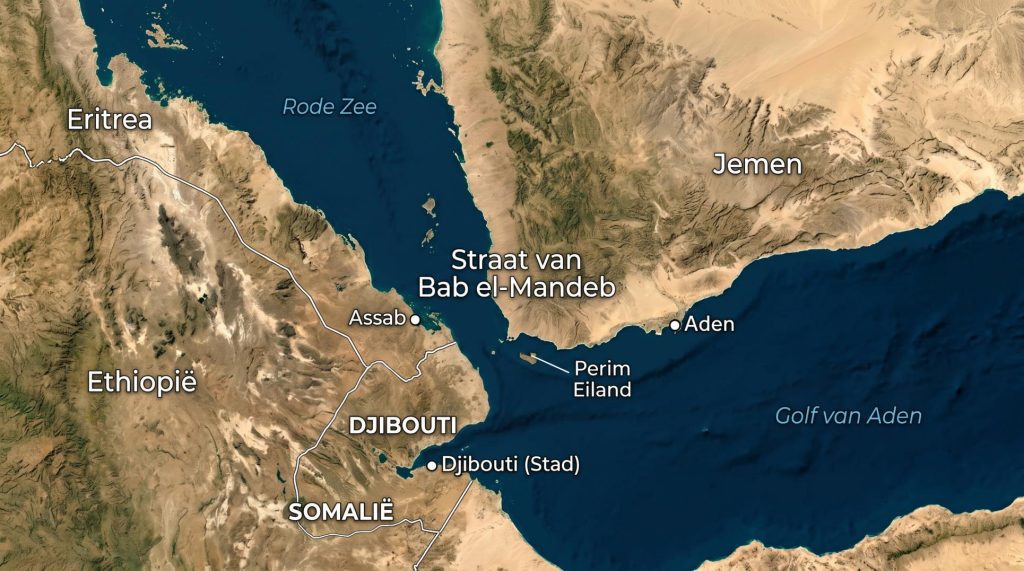
One of the most important maritime passages in the region is the Bab el-Mandeb Strait, which connects the Gulf of Aden to the Red Sea. From there, ships can continue towards the Suez Canal and the Mediterranean Sea.
This route is essential to international commerce, carrying goods, energy supplies and other commodities between major global markets.
Disruptions in these waters can have consequences far beyond the region, increasing shipping costs, delaying deliveries and affecting the prices of imported goods.
For Somalia, which depends heavily on maritime trade, the stability of these routes is particularly important.
In September 2026, the Associated Press reported that Mogadishu Port had received its first direct sugar shipment from Sri Lanka as Somali businesses explored alternative shipping arrangements amid regional disruptions.
Growing Regional Interest
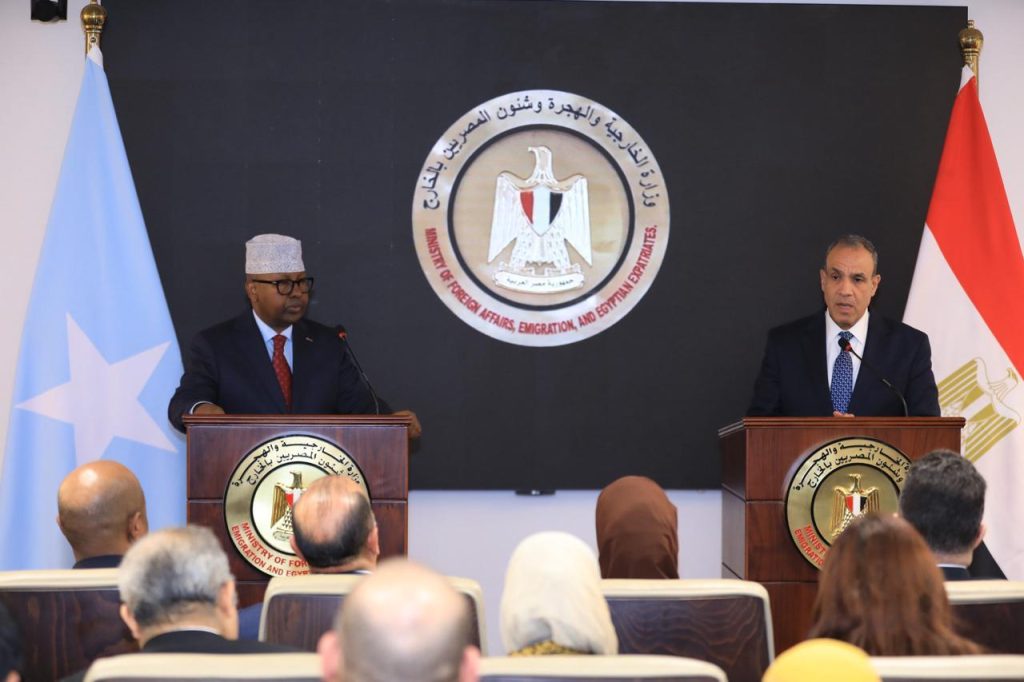
Somalia’s maritime neighbourhood is also becoming an increasingly important subject of regional diplomacy.
On November 7, 2026, Egyptian Foreign Minister Badr Abdelatty met Somali Foreign Minister Abdisalam Abdi Ali in Tripoli, Libya. Their discussions covered bilateral relations, economic cooperation, investment and developments in the Horn of Africa.
Egypt also reiterated its support for Somalia’s sovereignty and territorial integrity. Abdelatty emphasised that Red Sea security and management should remain the responsibility of countries bordering the waterway.
The discussions reflect growing regional attention to maritime security, cooperation and the protection of international shipping routes.
Somalia’s proximity to the Red Sea through the Gulf of Aden gives it an important stake in these developments.
An Economic Opportunity Beyond Geography
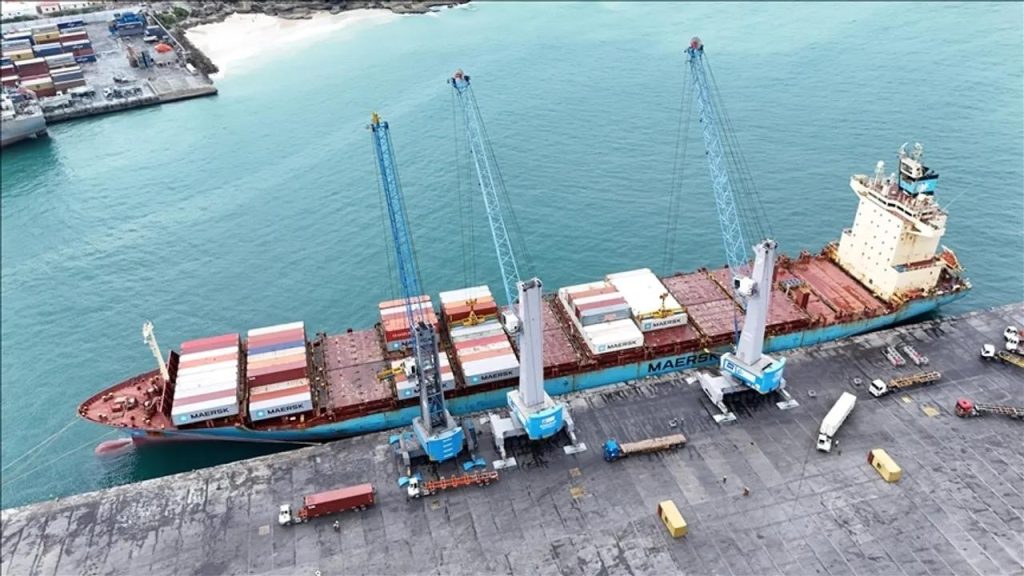
Somalia’s coastline represents more than a strategic location. It also offers opportunities for economic development.
Its ports, fisheries and maritime resources could become important contributors to national growth.
According to the Food and Agriculture Organization (FAO), Somalia’s annual fish catch is estimated at only 25,000–30,000 metric tonnes, compared with an estimated potential of approximately 800,000 tonnes. The sector continues to face challenges, including limited infrastructure, cold-storage facilities and processing capacity.
Developing the fishing industry, modernising ports and improving maritime infrastructure could create employment, attract investment and expand Somalia’s participation in international trade.
However, these opportunities depend on effective governance, investment and sustainable management of marine resources.
The Security Challenge
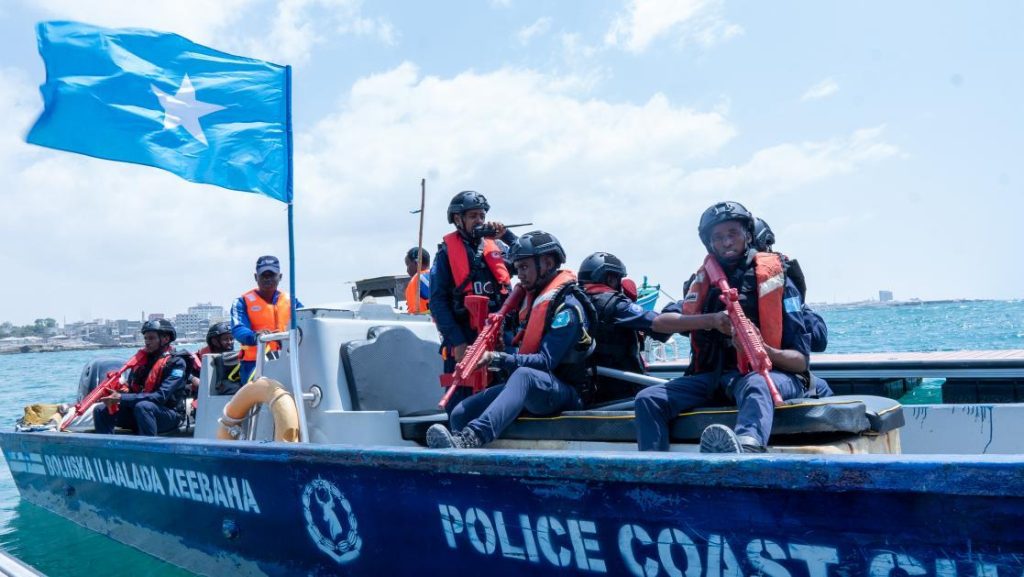
The region’s strategic importance also comes with serious security challenges.
Piracy, illegal fishing, trafficking and attacks against commercial vessels continue to threaten maritime activity.
The International Maritime Organization has emphasised the importance of regional cooperation in addressing these threats, including through maritime law enforcement and stronger port security.
For Somalia, strengthening its coast guard, protecting its waters and improving port security will be essential to making the most of its maritime resources.
What Comes Next for Somalia?
Somalia’s geographical position is an advantage, but turning that advantage into national prosperity will require more than diplomatic agreements.
Modern ports, stronger maritime institutions, investment in fisheries and effective regional partnerships will be essential.
The question is no longer simply whether Somalia has strategic importance. It is whether the country can translate that importance into economic opportunities, stronger institutions and greater influence in regional affairs.
Somalia’s coastline is one of its greatest national assets. Its future value will depend on how effectively the country protects, develops and uses it.
THE SOMALI | SPECIAL REPORT | NOVEMBER 8, 2026