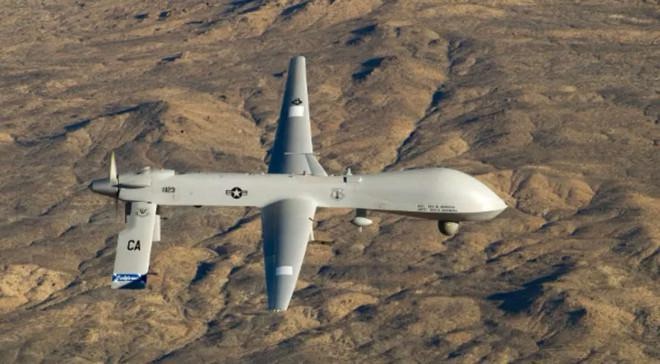
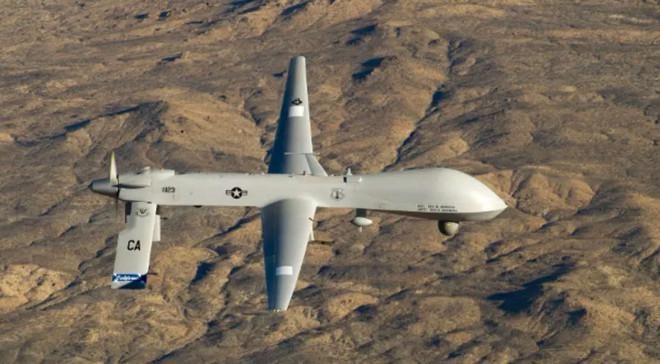
The operations, carried out over three days in coordination with Somalia’s federal government, underscore the continuing military campaign against the militant group.
MOGADISHU, November 20, 2026 — The United States military carried out airstrikes against al-Shabaab militants at three locations across Somalia between November 13 and 15, according to the U.S. Africa Command, as Washington continues to support the Somali government’s campaign against the armed group.
The strikes targeted areas near Leego, northwest of Mogadishu; Yora Lafagari, west of Jilib; and Jamaame, northeast of Kismayo, AFRICOM said in a statement released on November 19.
The locations span parts of southern Somalia where al-Shabaab has maintained an armed presence and continued to challenge government authority.
AFRICOM said the operations were conducted in coordination with the Federal Government of Somalia. It described al-Shabaab as a threat not only to Somalia’s population and security but also to the wider region and American personnel and citizens abroad.
The command provided the approximate locations of the strikes but did not disclose how many militants were killed, the extent of the damage or the specific targets hit.
Three locations across southern Somalia
The first reported strike took place near Leego, approximately 114 kilometres northwest of Mogadishu. The second targeted an area identified as Yora Lafagari, about 160 kilometres west of Jilib. The third was conducted near Jamaame, approximately 47 kilometres northeast of Kismayo.
The locations reflect the geographical reach of the continuing military campaign against al-Shabaab. The group has fought successive Somali governments and international forces for nearly two decades, carrying out attacks against security forces, government institutions and civilians.
Its continued presence has made the restoration of government authority and the protection of communities difficult, particularly in areas where state institutions remain weak.
The limits of military operations
The latest strikes highlight the continuing role of American military support in Somalia’s counterterrorism strategy. For the Somali government, cooperation with Washington provides additional military capabilities in its efforts to weaken al-Shabaab.
But the impact of airstrikes cannot be measured solely by the targets struck. Their longer-term significance depends on whether Somali forces can secure affected areas, prevent militants from returning and establish a sustained government presence.
That remains one of Somalia’s central security challenges. Military pressure can disrupt armed groups, but lasting progress also requires capable national forces, effective local administration and institutions that can provide security beyond the immediate aftermath of an operation.
The latest announcement did not provide an assessment of whether the three operations achieved their intended military objectives.
A continuing security partnership
The Federal Government of Somalia and the Somali Armed Forces continue to work with AFRICOM against al-Shabaab, according to the US military command.
The partnership reflects the continuing international dimension of Somalia’s security campaign, in which the country’s efforts to confront the insurgency remain closely linked to external military assistance.
For Somalia, the question is not simply whether further strikes can weaken al-Shabaab, but whether the government can translate military operations into durable security and greater control over territory.
The November operations add to that campaign. Their broader significance will depend on what follows on the ground.