New Alamein, Egypt — The leaders of Egypt, Somalia, Eritrea and Sudan have agreed to strengthen political, economic and security coordination, while reaffirming support for Somalia’s territorial integrity and Sudan’s unity, according to a statement issued after their meeting in Egypt.
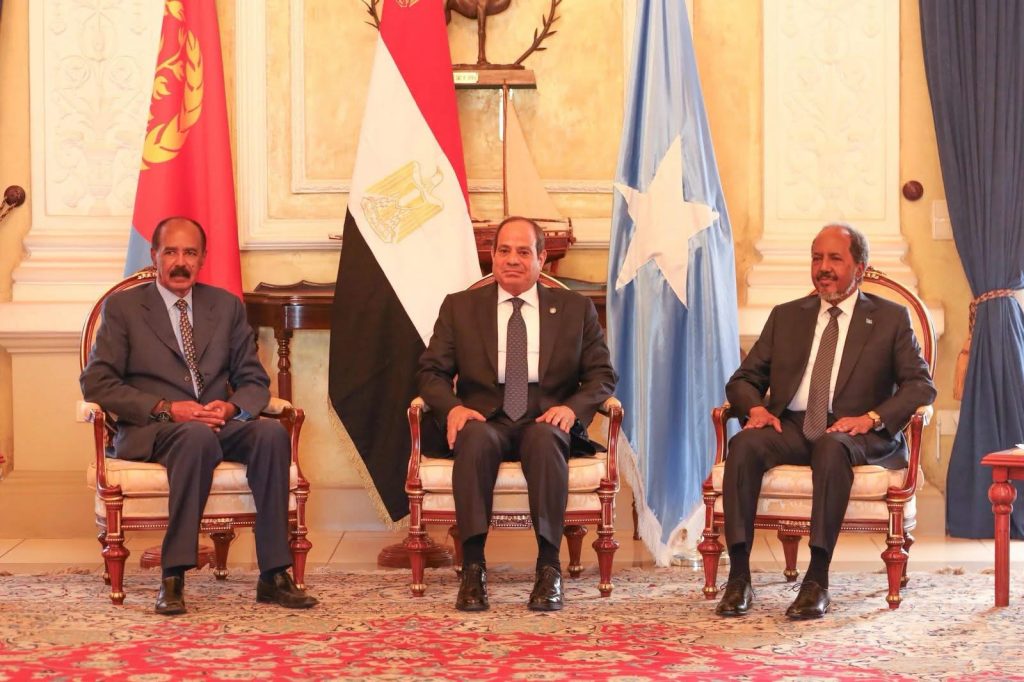
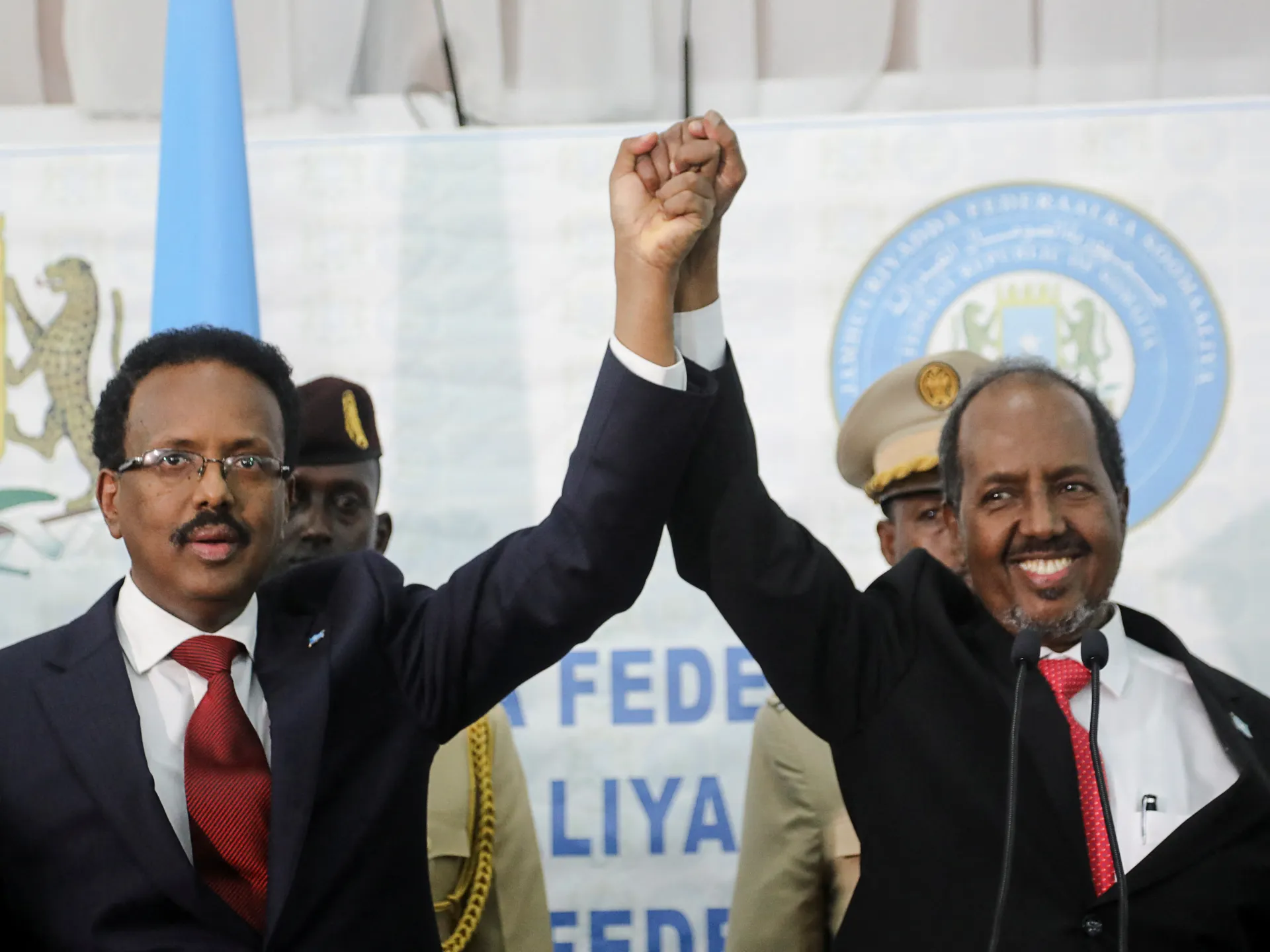
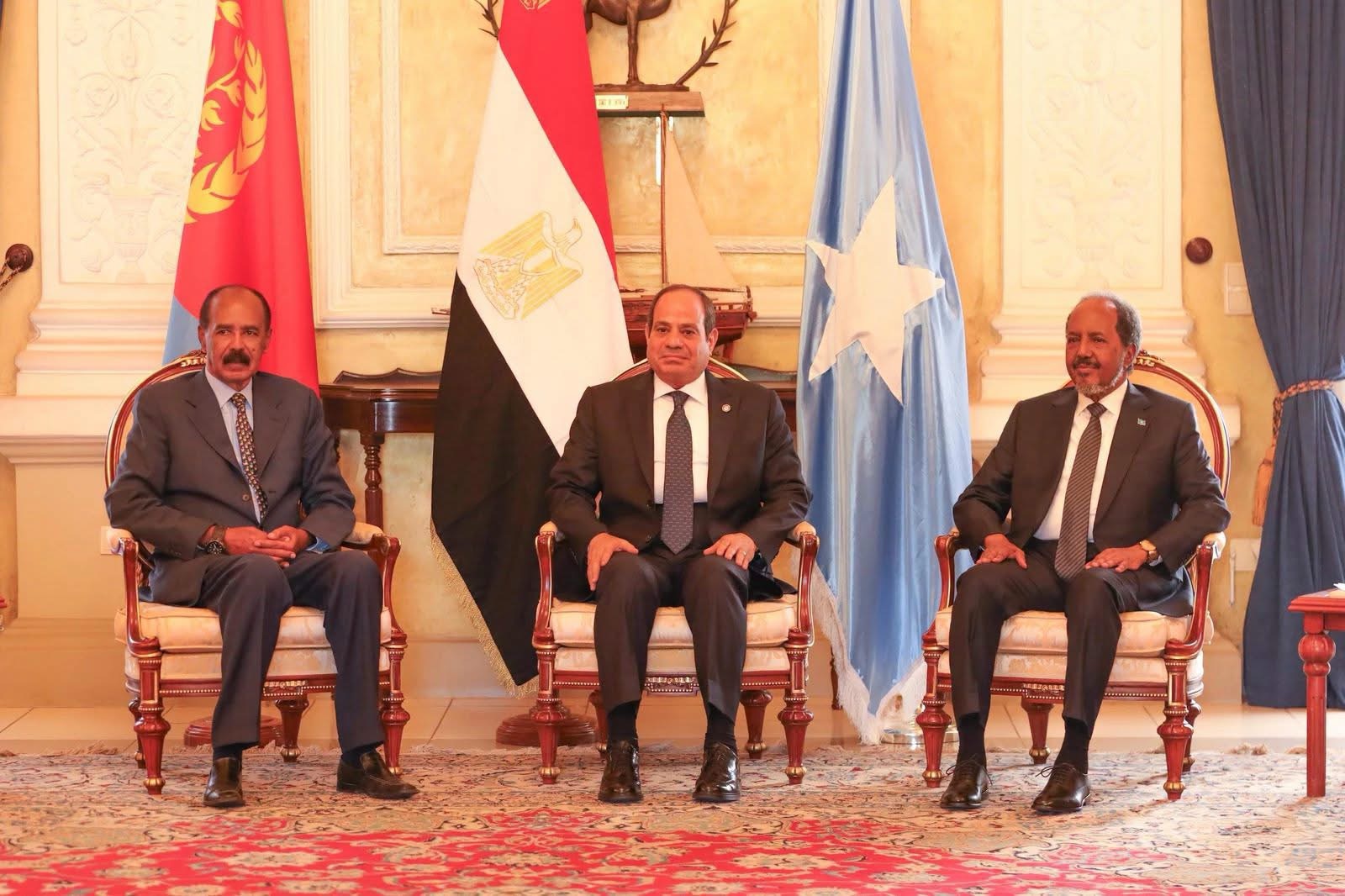
The summit brought together Egyptian President Abdel Fattah el-Sisi, Somali President Hassan Sheikh Mohamud, Eritrean President Isaias Afwerki and Sudan’s Abdel Fattah al-Burhan as tensions continue to reshape the Horn of Africa and Red Sea region.
The four leaders agreed to establish a mechanism to follow up on decisions reached during the meeting and to hold regular consultations.
The meeting comes at a particularly sensitive time, with renewed fighting in Ethiopia’s Tigray region and growing tensions between Ethiopia and Eritrea.
Somalia’s territorial integrity
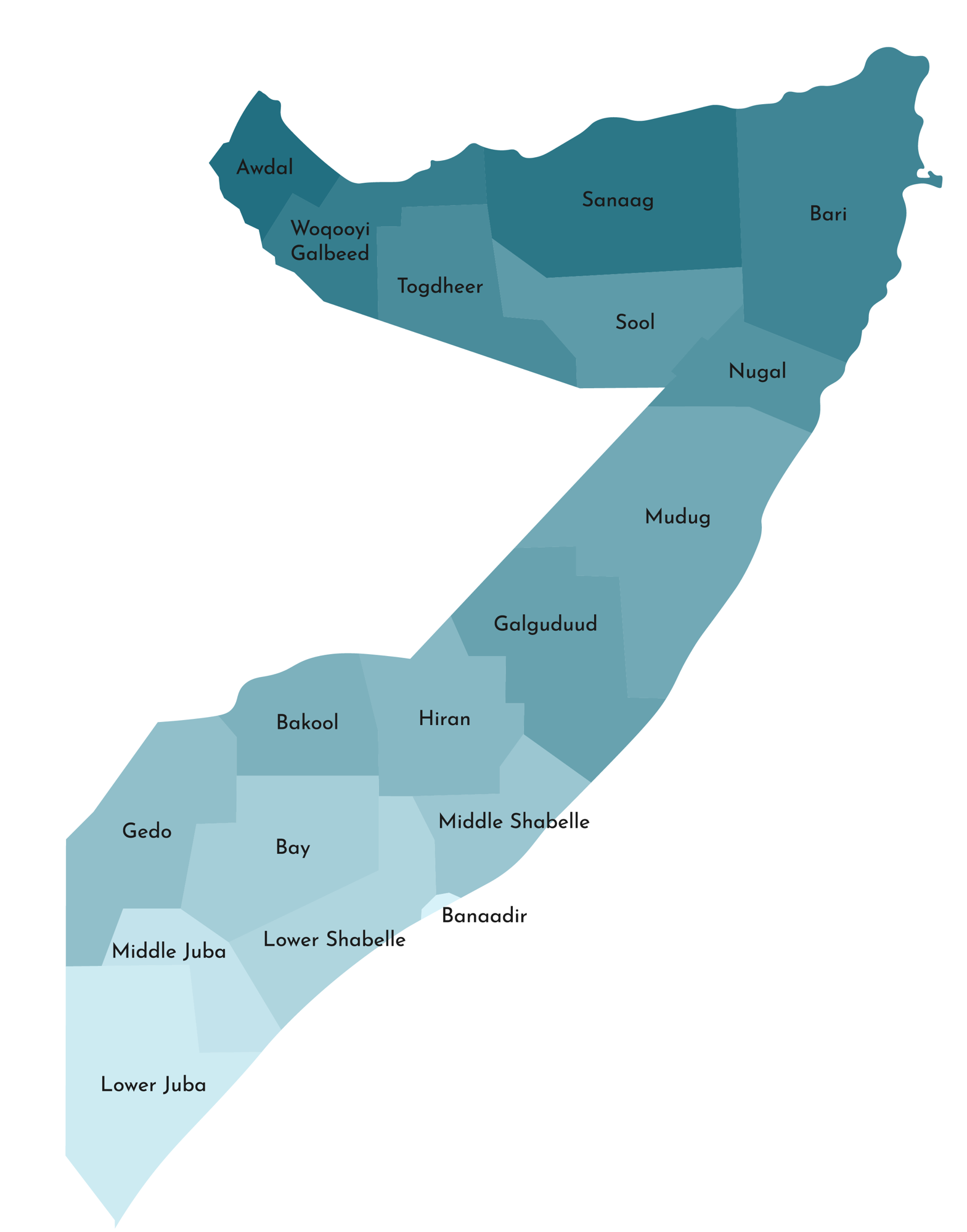
The four countries reaffirmed their support for Somalia’s unity, sovereignty and territorial integrity, rejecting what they described as interference in Somalia’s internal affairs.
They also rejected recognition or support for Somaliland.
The position represents another expression of regional support for Mogadishu’s long-standing position that Somalia’s territory must remain united.
Somalia has increasingly placed the issue of territorial integrity at the centre of its foreign policy, particularly as it seeks to counter diplomatic initiatives involving Somaliland.
The four governments also backed Somalia’s efforts to combat armed groups and strengthen the authority of the federal government across the country.
Calls for greater AUSSOM funding
The summit also focused on Somalia’s security transition.
The leaders called on the international community to provide adequate, sustainable and predictable financing for the African Union Support and Stabilization Mission in Somalia, known as AUSSOM.
The mission is supporting Somali security forces as responsibility for national security gradually shifts towards the Somali state.
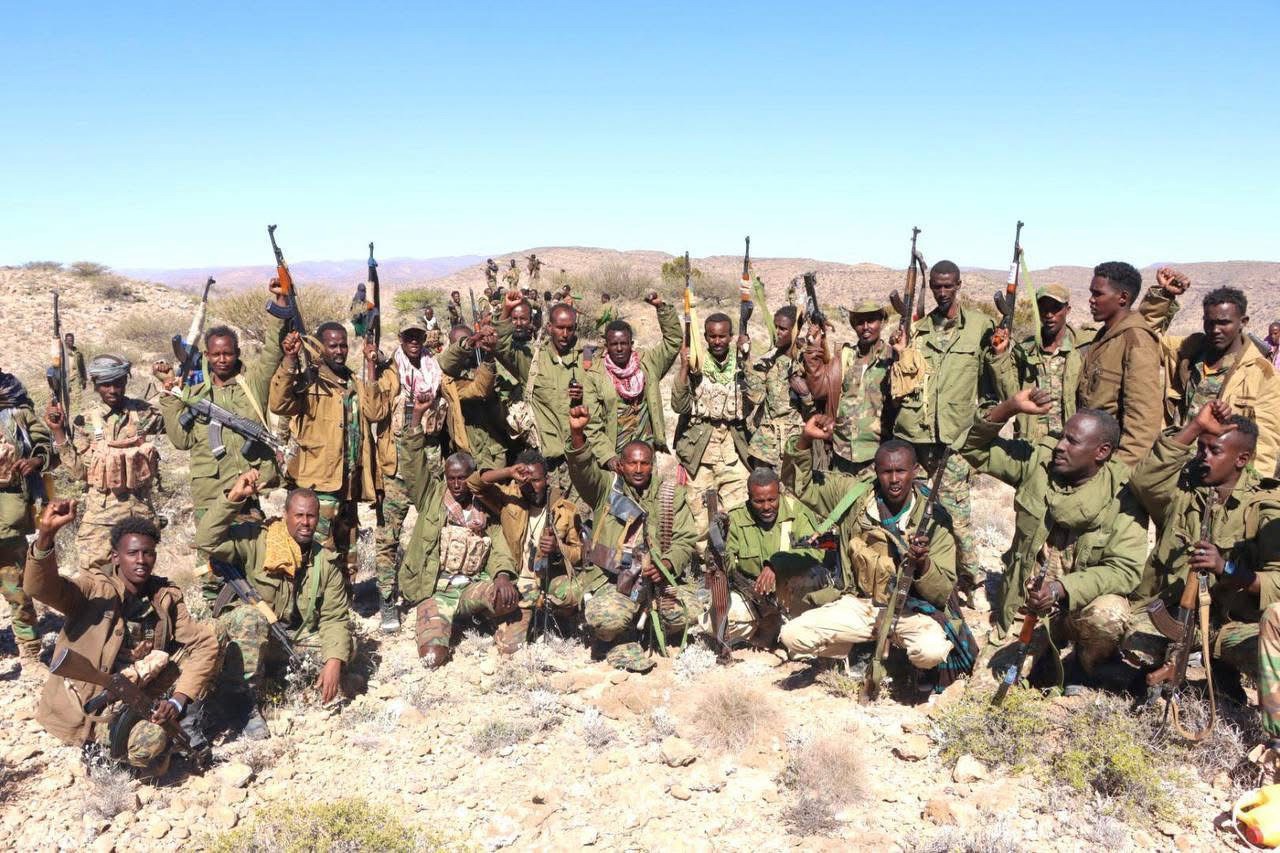
For Mogadishu, reliable international financing remains crucial as Somali forces continue operations against al-Shabab.
The four countries’ call comes as Somalia seeks to reduce its long-term dependence on international security missions while expanding the capacity of its own security institutions.
Sudan’s unity
Sudan was another major issue at the summit.
The four governments reaffirmed their support for Sudan’s unity, sovereignty and territorial integrity.
They rejected the establishment of parallel administrations and opposed support for foreign fighters or mercenary forces.
Sudan has been devastated by a war between the Sudanese Armed Forces and the Rapid Support Forces, with competing centres of power emerging across the country.
The statement therefore places the preservation of a unified Sudan at the centre of the four countries’ regional position.
Red Sea states assert their role
The leaders also addressed the strategic Red Sea.
They reaffirmed the principle of freedom of navigation and stressed that countries bordering the Red Sea have a particular responsibility for its governance and security.
The issue carries significant strategic weight.
Egypt controls the Suez Canal, one of the world’s most important maritime trade routes.
Sudan and Eritrea have long Red Sea coastlines, while Somalia sits on the Gulf of Aden near the Bab el-Mandeb strait.
Together, the four countries occupy a strategic arc connecting the Mediterranean, Red Sea and Indian Ocean.
The statement suggests that the four governments want greater influence over how security in this maritime corridor is managed.
Nile dispute
The Nile was also included in the discussions.
The four countries called for respect for international law, cooperation and avoidance of unilateral actions that could harm downstream states.
The issue is particularly sensitive for Egypt and Sudan because of Ethiopia’s Grand Ethiopian Renaissance Dam on the Blue Nile.
Cairo has long argued that the operation of the dam should not threaten Egypt’s and Sudan’s water security, while Ethiopia maintains that the project is essential to its economic development.
The inclusion of the Nile issue in the four-country discussions adds another layer to the increasingly interconnected disputes surrounding Ethiopia.
Ethiopia and the wider regional picture
Although the statement does not establish a formal alliance against Ethiopia, its timing is significant.
Relations between Ethiopia and Eritrea have deteriorated sharply following renewed fighting in Tigray.
Ethiopia has accused Eritrea, Sudan and Egypt of supporting forces opposed to the federal government. The countries have rejected those accusations.
The latest fighting has raised fears that another conflict in northern Ethiopia could develop into a wider regional confrontation.
The El Alamein summit brings together countries with different interests but increasingly overlapping concerns.
Egypt is focused heavily on the Nile and Red Sea.
Sudan is fighting to preserve the unity of its state.
Eritrea is facing renewed tensions with Ethiopia.
Somalia is seeking greater security, international support and protection of its territorial integrity.
A new regional grouping?
The decision to establish a mechanism for follow-up and hold regular meetings could prove to be the most significant outcome of the summit.
If maintained, the four-country forum could evolve into a broader platform for discussing security, maritime affairs, counterterrorism, economic cooperation and regional diplomacy.
But its future will depend on whether the countries can translate political statements into concrete cooperation.
For Somalia, the immediate priorities are clear: securing international support for AUSSOM, strengthening the country’s security institutions and maintaining diplomatic backing for its territorial integrity.
For Sudan, the priority is preserving the unity of the state.
For Egypt and Eritrea, the Red Sea and Ethiopia remain central strategic concerns.
These interests overlap without being identical.
That makes the emerging four-country framework potentially significant — but also difficult to manage.
The question now is whether the El Alamein summit marks the beginning of a durable regional mechanism or simply another diplomatic response to a rapidly changing Horn of Africa.