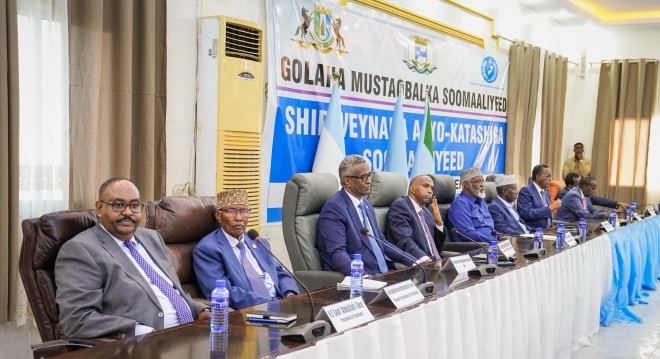
Somalia is once again at a critical political crossroads as the Future Council, a coalition bringing together leaders from Jubbaland, Puntland, and opposition groups in Mogadishu, prepares for a high-stakes meeting to address the country’s ongoing political crisis.
The planned discussions are expected to focus on key national issues, including the future of Somalia’s federal system, the type of elections to be held, and how to manage the current political transition as the term of the 11th Federal Parliament nears its end.
This development comes at a time when uncertainty continues to dominate Somalia’s political landscape, raising concerns among citizens, policymakers, and international observers about the stability of governance and the future direction of the country.
Future Council Somalia: A Growing Political Force
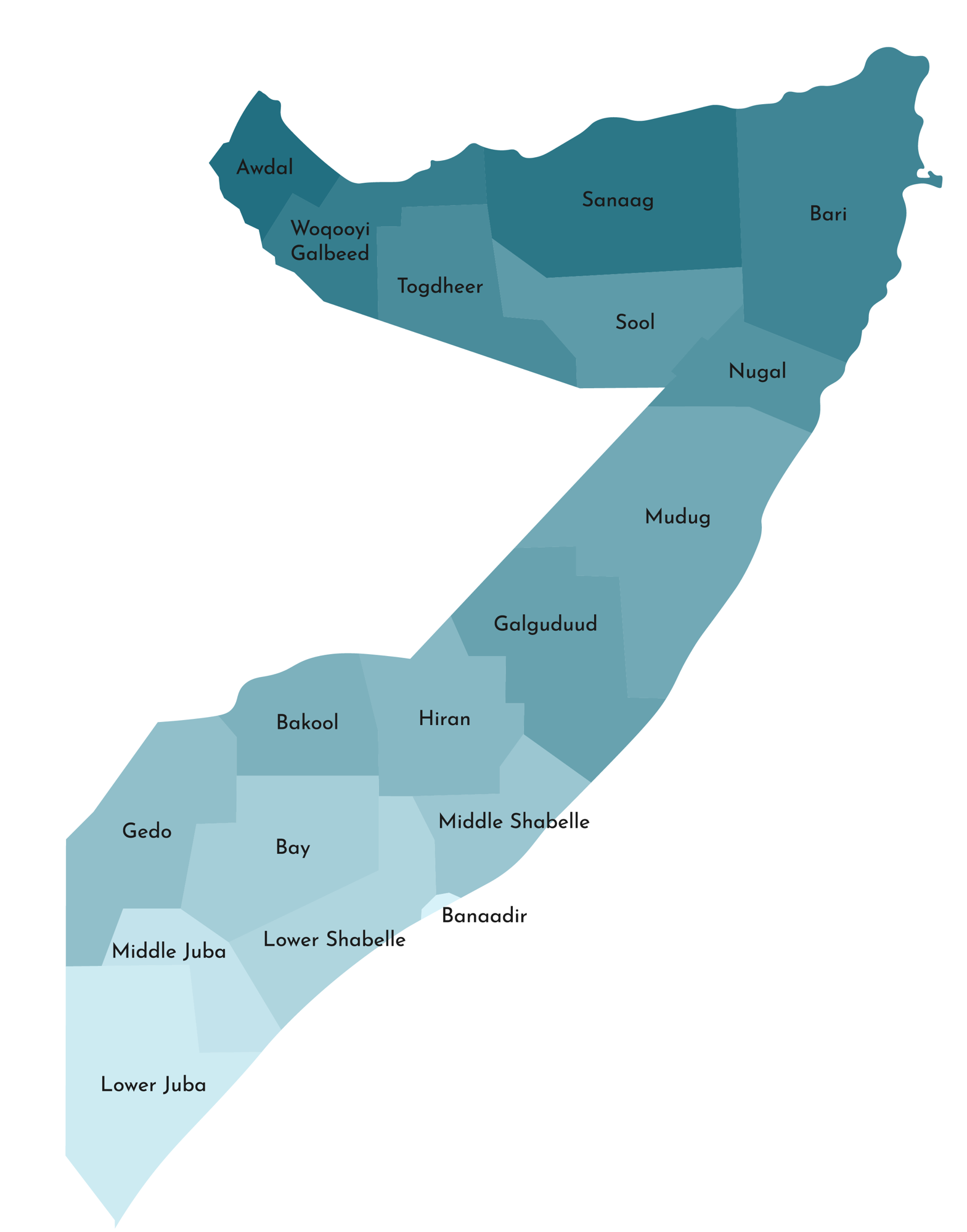
The Future Council Somalia has emerged as a significant political bloc in recent months. It brings together regional administrations such as Jubbaland and Puntland, along with influential opposition figures under the banner of the Salvation Forum in Mogadishu.
This coalition aims to create a unified platform to address what its members describe as “serious governance challenges” and a lack of clarity in the federal government’s political roadmap.
The group’s upcoming meeting is being seen as a turning point, as it may define a collective position on some of the most pressing issues facing Somalia today.
Among these issues are:
The structure of Somalia’s federal system
The model for upcoming national elections
The management of the political transition period
The balance of power between federal and regional authorities
These topics are not new, but the urgency surrounding them has intensified as the parliamentary term approaches its conclusion.
Somalia Elections 2026: Direct Vote vs Indirect System
One of the most contentious topics expected to dominate the discussions is the question of elections.
The federal government has expressed interest in transitioning Somalia toward a one-person, one-vote electoral system. This would mark a historic shift from the clan-based indirect electoral model that has been used for years.
However, members of the Future Council have yet to present a unified stance on this proposal. Some leaders support gradual reform, while others argue that the country is not yet ready for direct elections due to security, logistical, and institutional challenges.
The debate over Somalia elections 2026 reflects deeper disagreements about governance, trust, and the pace of political reform.
Critics of immediate direct elections point to:
Ongoing security concerns in parts of the country
Limited voter registration infrastructure
The need for stronger electoral institutions
Supporters, on the other hand, argue that universal suffrage is essential for democratic legitimacy and long-term stability.
Political Transition in Somalia: Uncertainty and Urgency
Another major focus of the upcoming meeting will be how to manage Somalia’s political transition.
With the mandate of the current parliament nearing its end, there is growing concern about what happens next if no clear electoral framework is agreed upon in time.
Political analysts warn that delays or disagreements could lead to:
Constitutional disputes
Governance paralysis
Increased political tensions between federal and regional leaders
The Future Council is expected to explore possible solutions, including interim arrangements or negotiated agreements that could ensure continuity while preparations for elections are finalized.
However, as of now, the council’s leaders have not publicly announced a clear or unified strategy for handling this transition.
Regional Diplomacy and Behind-the-Scenes Talks
In recent weeks, several members of the Future Council have been traveling to neighboring countries, where they have held consultations and informal discussions about Somalia’s political situation.
These meetings, though largely undisclosed, are believed to have focused on:
Building regional consensus
Seeking diplomatic support
Aligning positions ahead of the upcoming conference
Despite these efforts, details about the outcomes of these discussions remain limited, adding to the overall uncertainty surrounding the political process.
Observers note that regional and international actors often play a significant role in Somalia’s political developments, particularly during transitional periods.
Federalism Debate in Somalia
The question of federalism is also expected to be a central issue in the talks.
Somalia’s federal system has long been a subject of debate, with differing views on how power should be shared between the central government and regional states.
Some leaders advocate for a stronger central authority to ensure national unity and coordinated development. Others emphasize the importance of regional autonomy, arguing that local governments are better positioned to address the needs of their communities.
The Future Council’s discussions may help clarify where its members stand on this issue and whether a compromise can be reached.
Public Concerns and Expectations
For ordinary Somalis, the ongoing political uncertainty is more than just a matter of governance—it directly affects daily life.
Concerns about الأمن, economic stability, and access to basic services are closely tied to the effectiveness of political leadership.
Many citizens are hoping that the upcoming meeting will produce:
Clear decisions on elections
A transparent political roadmap
Greater cooperation between leaders
Public trust in political institutions has been tested repeatedly, making it essential for leaders to demonstrate accountability and unity during this critical period.
International Perspective on Somalia’s Political Crisis
The international community is closely monitoring developments in Somalia.
Partners have consistently emphasized the importance of:
Timely and credible elections
Inclusive political dialogue
احترام الدستور (respect for constitutional frameworks)
Any outcome from the Future Council’s meeting is likely to attract significant attention from global stakeholders, particularly those involved in supporting Somalia’s state-building efforts.
What to Expect from the Upcoming Meeting
The planned meeting, expected to take place in mid-April inside Somalia, is shaping up to be one of the most important political gatherings of the year.
Key expectations include:
A joint statement outlining the council’s position
Agreements on election models or timelines
Proposals for managing the transition period
Recommendations on federal governance reforms
While it remains uncertain whether the meeting will produce concrete outcomes, it represents a crucial opportunity for dialogue at a time when consensus is urgently needed.
Conclusion: A Defining Moment for Somalia
Somalia stands at a pivotal moment in its political journey. The decisions made in the coming weeks could shape the country’s governance, stability, and democratic trajectory for years to come.
The Future Council’s upcoming talks offer a platform for addressing deep-rooted challenges and finding common ground among key stakeholders.
However, the success of these efforts will depend on the willingness of leaders to engage constructively, compromise where necessary, and prioritize the national interest.
As the deadline for political transition approaches, all eyes will be on the outcomes of these discussions—and on whether Somalia can move toward a more stable and inclusive future