As seasonal catches put pressure on fish prices, fishermen face a difficult choice: sell quickly at lower prices or risk losing their catch. A shortage of reliable cold-storage infrastructure is exposing a wider weakness in Somalia’s fisheries economy and an opportunity for investment.
By Mulki Hussein | THE SOMALI
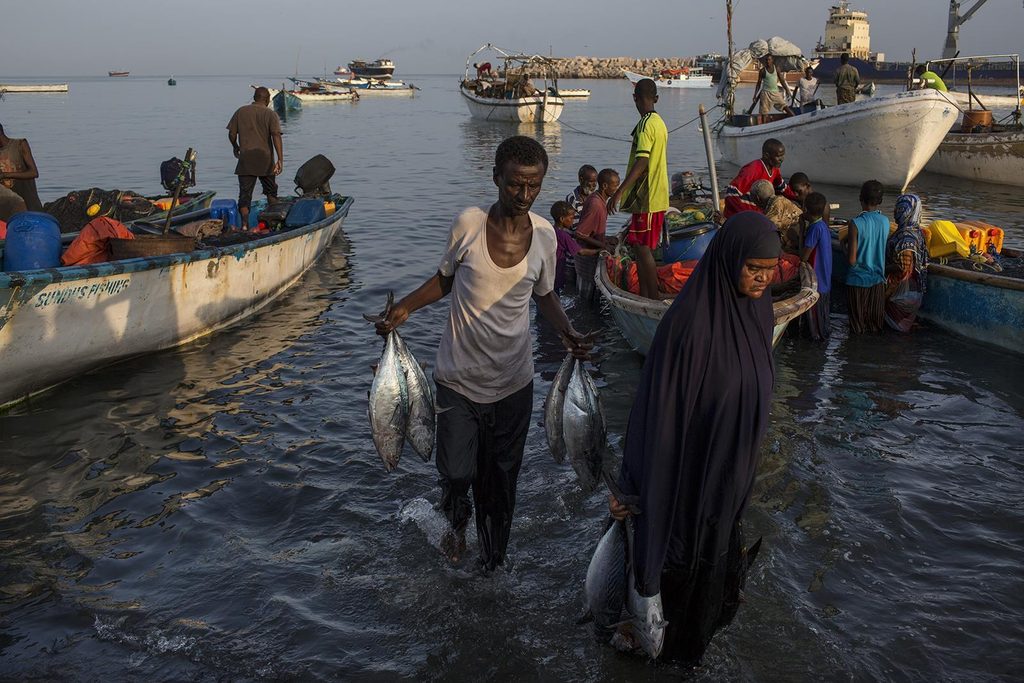
The fish is there. The infrastructure is not.
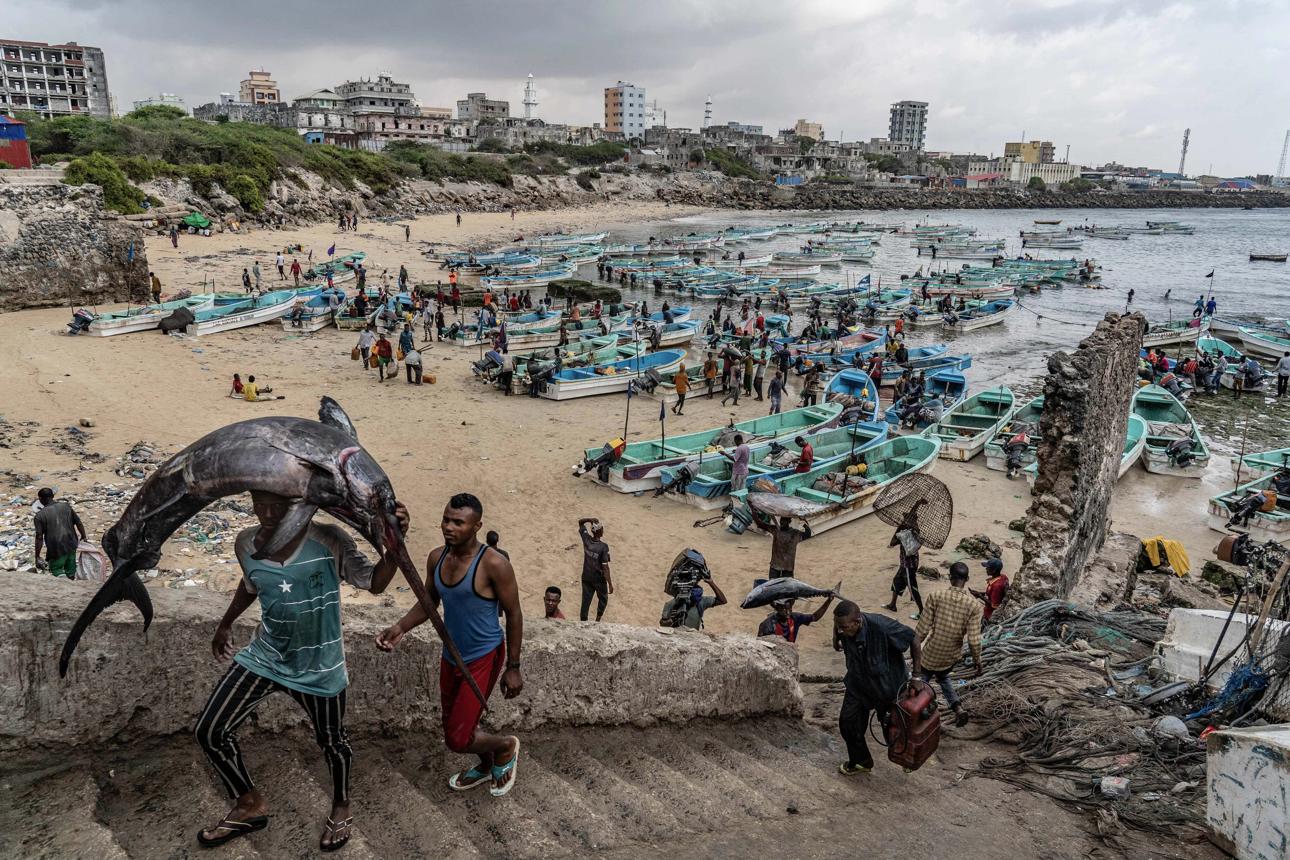
Along Somalia’s coastline, the arrival of a productive fishing season can bring an abundance of fresh fish into local markets. For consumers, this can mean lower prices and greater access to seafood. For fishermen, however, a large catch does not always translate into higher earnings.
When many boats return with fish at around the same time, local markets can become saturated. Buyers have more options, prices come under pressure, and fishermen may find themselves selling their catch for considerably less than they expected.
The challenge is particularly difficult because fish is highly perishable. Unlike products that can be stored for weeks without specialised equipment, fresh fish requires prompt icing, refrigeration or processing to maintain its quality.
For fishermen without access to adequate freezing and storage facilities, waiting for prices to improve is rarely a realistic option. They must find buyers while the fish is still fresh, even when the market is offering less than they believe their catch is worth.
This is more than a seasonal pricing problem. It exposes a structural weakness in Somalia’s fisheries economy: the country has access to valuable marine resources, but its ability to preserve, process and distribute those resources remains limited.
A seasonal market under pressure
Somalia’s fishing industry is heavily influenced by seasonal changes in marine conditions. The availability of different fish species varies throughout the year, affecting when fishermen can make larger catches and when particular varieties become more common in local markets.
A nationwide assessment commissioned by Somalia’s Ministry of Fisheries and Blue Economy in 2025 provides important insight into these fluctuations.
The assessment surveyed 673 respondents across Banadir, Puntland, Galmudug, Southwest State, Jubaland and Hirshabelle. It identified June as the month most frequently associated with sharp declines in fish prices, while January and March also recorded noticeable price reductions.
The report attributed these declines to a combination of high fish landings, excess supply, hot temperatures and weaker market demand.
It also identified poor cold-chain infrastructure, high fuel costs and adverse weather as major factors contributing to price instability.
These findings illustrate how seasonal fishing activity can become an economic disadvantage when the market lacks the capacity to absorb and preserve surplus supply.
For fishermen, the consequences extend beyond receiving lower prices. A catch that cannot be stored or transported efficiently becomes a product that must be sold quickly, regardless of whether market conditions are favourable.
The missing link in Somalia’s fisheries economy
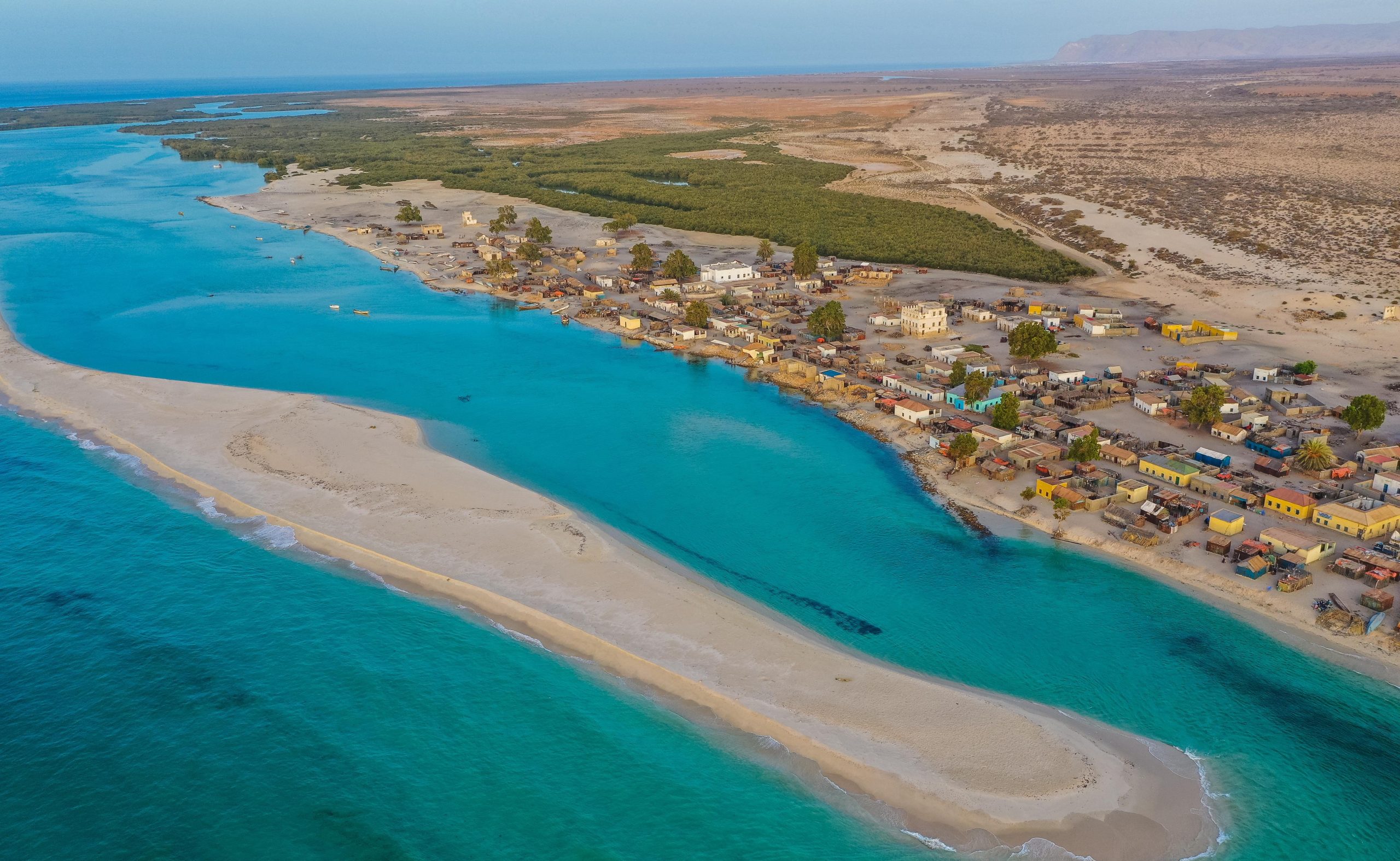
Somalia’s coastline stretches approximately 3,300 kilometres along the Indian Ocean and the Gulf of Aden, providing access to a wide variety of marine resources.
Despite this geographical advantage, the country’s fishing industry has yet to develop the infrastructure required to support a fully functioning commercial supply chain.
The problem begins immediately after fish is caught.
Fish must be handled carefully, cleaned under hygienic conditions, placed on ice or refrigerated, and transported at controlled temperatures. Any interruption in this process can reduce quality and shorten the time available for selling the product.
In many fishing communities, access to ice production, commercial freezers and refrigerated transportation remains limited.
The Fisheries Master Plan prepared by Somalia’s Ministry of Fisheries and Blue Economy in collaboration with the Food and Agriculture Organization of the United Nations in 2023 also identified shortages of ice-making plants and limited chilled and cold-storage facilities along parts of the coastline.
The plan noted that inadequate landing infrastructure and poor handling conditions can increase post-harvest losses.
This means the challenge is not simply about fishermen catching enough fish. It is about ensuring that what they catch can reach consumers in good condition, at the right time and at a reasonable price.
What happens when fishermen cannot store their catch?
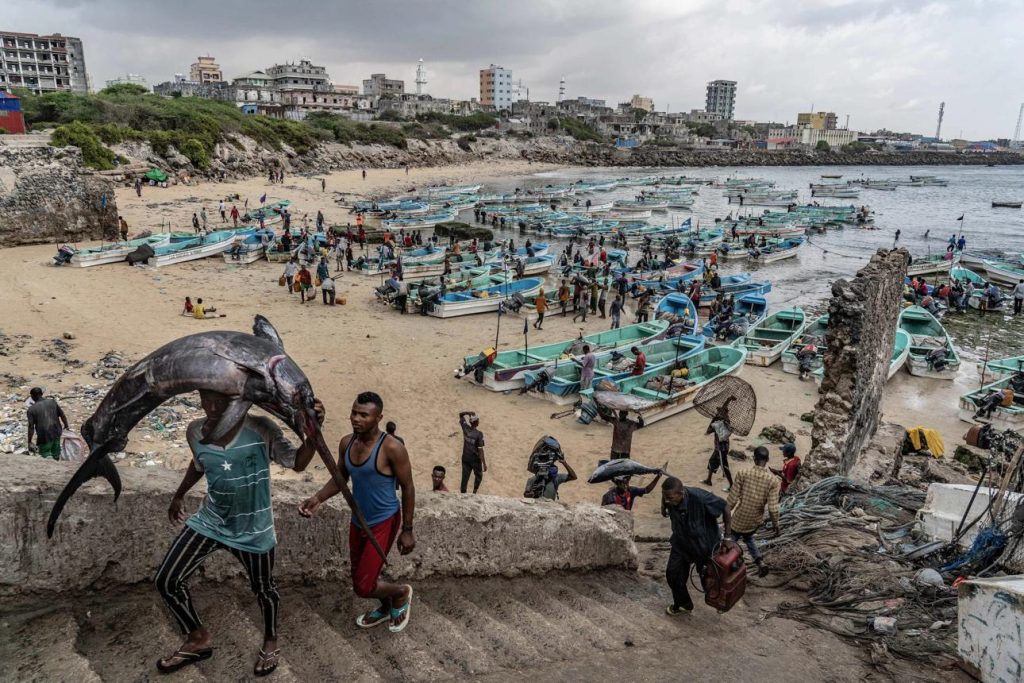
For fishermen operating on limited resources, the absence of storage facilities creates a difficult business environment.
A fishing trip involves costs, including fuel, equipment, maintenance and labour. When a boat returns with a substantial catch, fishermen need to recover these expenses and generate enough income to support their households and finance their next trip.
However, when supply increases and buyers are unwilling to pay higher prices, fishermen have limited bargaining power.
Some fishermen report that selling at a lower price is preferable to keeping fish they have no reliable means of preserving.
The consequences can affect the entire fishing value chain. Traders may lose money when fish deteriorates, processors may struggle to maintain consistent supplies, and consumers may experience fluctuations in availability and quality.
The problem also has a wider food-security dimension. Fish is an important source of protein and essential nutrients, particularly in communities where affordable animal protein is not always readily available.
A system that allows more of the catch to be preserved and distributed could help improve access to fish beyond the immediate fishing season.
A growing business opportunity for investors
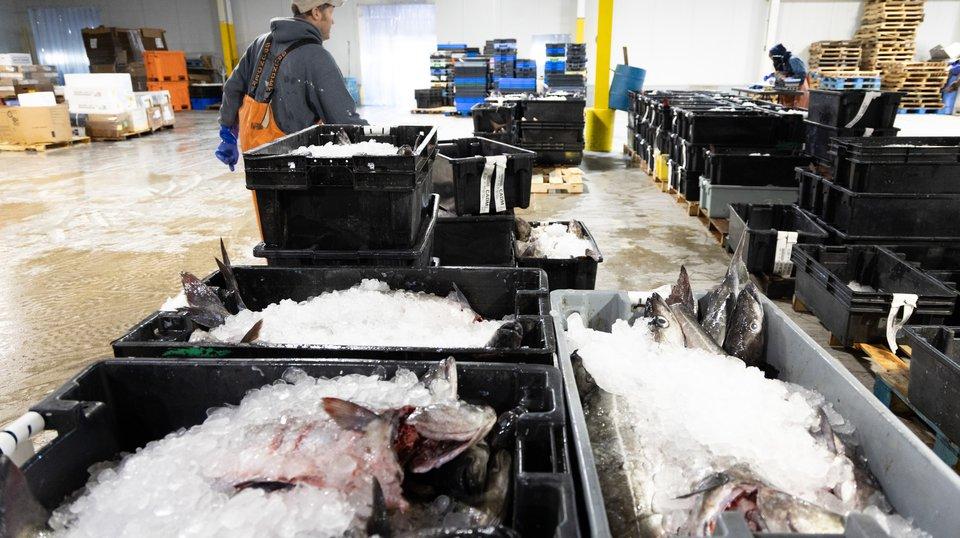
The shortage of accessible cold-storage infrastructure presents an opportunity for entrepreneurs, local businesses and international investors interested in Somalia’s fisheries sector.
Rather than focusing exclusively on increasing the number of fishing boats or expanding the volume of catches, investment could be directed towards the infrastructure that allows existing production to generate greater economic value.
One potential model is the establishment of shared commercial freezing facilities near major fishing communities and landing sites.
Under this arrangement, fishermen could pay an affordable fee to store their catch instead of being forced to sell everything immediately. Traders and seafood businesses could also rent storage space while waiting for buyers or arranging transportation.
Other opportunities include:
1. Industrial cold-storage facilities
Businesses could establish commercial freezing warehouses near major fishing centres, allowing fishermen and traders to preserve larger quantities of fish during periods of high supply.
2. Ice production plants
Ice is one of the most immediate requirements for maintaining fish quality after capture. Local ice-making businesses could supply fishing boats, landing sites, traders and fish markets.
3. Solar-powered refrigeration
In areas where electricity supply is unreliable, solar-powered refrigeration and hybrid energy systems could provide a practical alternative. Such facilities would require suitable technical support, maintenance and battery capacity.
4. Refrigerated transportation
Investment in refrigerated trucks and insulated transportation systems could connect coastal fishing communities with major consumer markets, including Mogadishu and other urban centres.
5. Fish processing and packaging
Businesses could invest in cleaning, portioning, freezing and packaging fish for restaurants, supermarkets, wholesalers and potential export markets.
Together, these services could create an interconnected industry in which fishermen, storage operators, processors, distributors and retailers benefit from a more organised supply chain.
The evidence is becoming harder to ignore
A scientific study published on 13 November 2026 in Frontiers in Marine Science, titled Assessment of Post-Harvest Fish Loss in Somali Fish Markets: Drivers, Impacts, and Mitigation Strategies, examined challenges in four major markets: Mogadishu, Kismayo, Bosaso and Berbera.
The researchers collected information from 94 fisheries stakeholders, including fishermen, traders, processors, government officers and cold-storage operators.
Among the findings, 45 per cent of respondents reported limited cold-storage capacity, while 35 per cent reported having no cold-storage facilities.
The study also identified inadequate refrigeration, unreliable electricity, transportation difficulties and poor fish-handling practices as important challenges.
Importantly, the researchers found that half of respondents reported selling unsold fish at reduced prices.
The study does have limitations: it examined stakeholder experiences and perceptions rather than directly measuring the physical quantity or financial value of fish lost. Nevertheless, its findings provide further evidence of the infrastructure challenges affecting Somalia’s fisheries markets.
The recommendations included expanding cold-storage facilities, improving access to ice, investing in solar-powered refrigeration and strengthening fish-handling practices.
Beyond freezers: Building an export industry
The opportunity does not end with stabilising local fish prices.
Somalia could potentially develop a stronger position in regional and international seafood markets by improving the quality, consistency and reliability of its fish supply.
However, access to international markets requires more than producing large quantities of seafood.
Export buyers demand reliable quality standards, traceability, hygienic processing, appropriate packaging and compliance with food-safety requirements.
Facilities must also maintain the cold chain from the moment fish is caught until it reaches its final destination.
This is where investment in processing plants, refrigeration, quality-control laboratories and transportation becomes particularly important.
The World Bank and FAO had already highlighted the potential of private investment in solar refrigerators, insulated boxes, fish-handling training and larger cold-storage facilities in their 2018 Somalia Country Economic Memorandum.
The fact that similar infrastructure needs continue to feature in more recent national assessments suggests that the challenge requires sustained investment rather than isolated interventions.
What needs to happen next?
Developing Somalia’s fisheries industry will require cooperation between the federal government, state authorities, fishing communities and private investors.
Investment should begin with identifying the coastal areas where fish landings are high but access to storage remains inadequate.
Small-scale pilot projects could test the commercial viability of shared freezers, ice production and solar-powered storage before larger facilities are established.
Fishermen’s cooperatives could also play a role by negotiating affordable storage rates and connecting their members with larger buyers.
At the same time, investment must be accompanied by training in hygienic handling, proper icing, storage management and sustainable fishing practices.
Storage facilities alone cannot solve every problem. Their success will depend on reliable energy, affordable operating costs, maintenance, access to markets and responsible management of marine resources.
Turning a natural resource into lasting economic value
Somalia’s fisheries sector presents a significant opportunity for economic development, but that opportunity cannot be realised through fishing activity alone.
When seasonal catches increase, fishermen should not have to choose between accepting extremely low prices and risking the loss of their products.
A stronger cold chain could help preserve fish, reduce avoidable waste, improve market distribution and give fishermen greater flexibility in deciding when and where to sell.
For investors, this represents an opportunity to build businesses around a clear infrastructure need. For the government, it presents an opportunity to strengthen coastal livelihoods, improve food availability and develop a more competitive blue economy.
Somalia already has the marine resources. What remains is the investment, infrastructure and organisation needed to turn those resources into sustainable economic value.
The real opportunity is not simply catching more fish. It is building an industry capable of preserving, processing and delivering that fish to the market when it is needed most.